
Այս պատմությունը դեռ հասանելի չէ հայերեն
Այժմ ցուցադրվում է բնօրինակը անգլերեն։ Հայերեն կարդալու համար օգտվեք Google Translate-ից։
Armenia in Focus: Supporting Exporters | Interview with the CEO of Visionest Institute
Why Armenia? Estonia’s Development Cooperation and Visionest Institute’s Mission
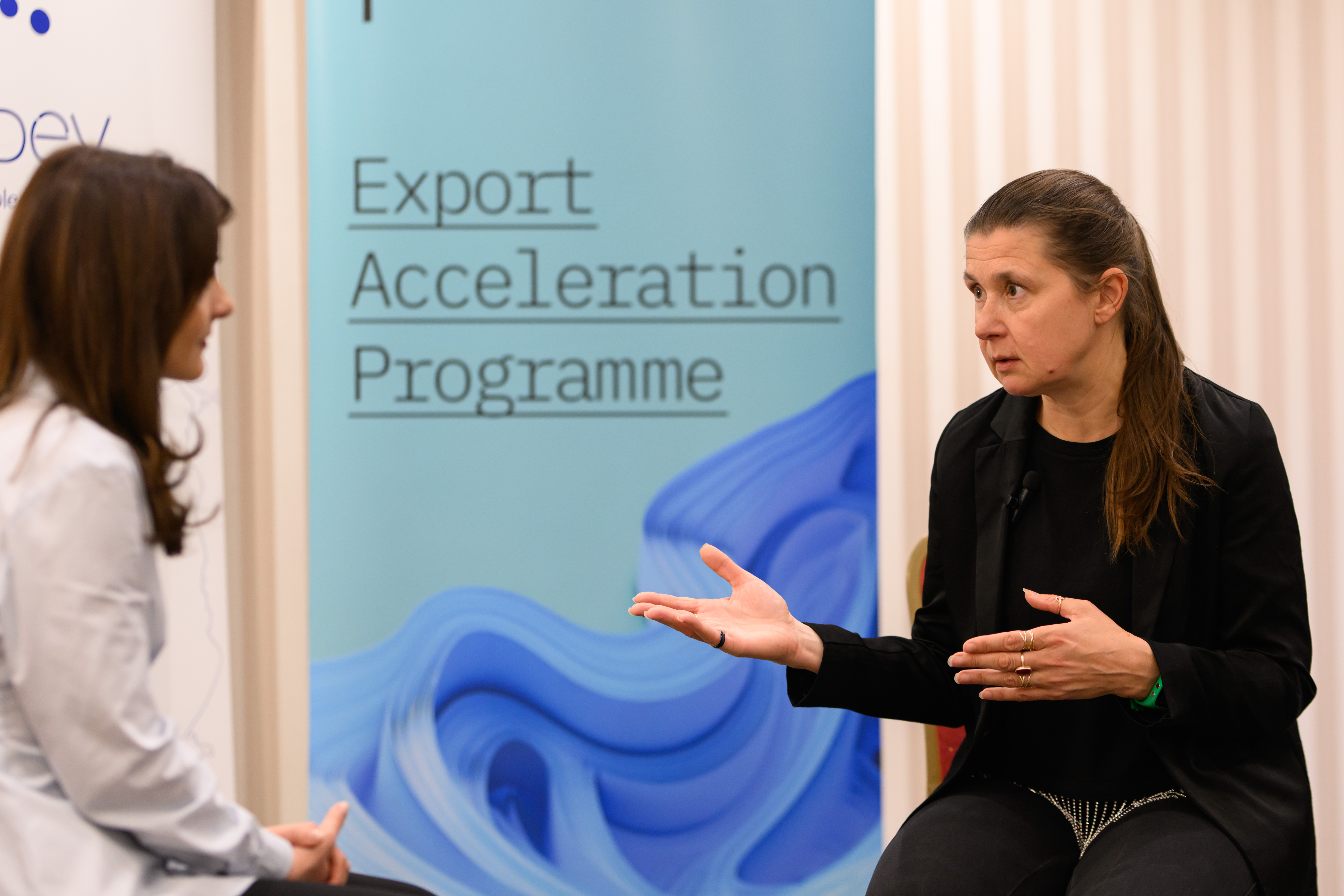
In this interview, the CEO of Visionest Institute discusses Estonia’s export experience, the Export Acceleration Programme in Armenia, and how practical training and mentoring can help Armenian companies make decisions, prepare for market challenges, and identify new ways for diversification.
Estonia has chosen Armenia as a partner country for development cooperation.
Visionest Institute combines theory and practice to help Armenian companies develop export plans for new markets.
Estonia understands what it means to lose access to a market, even for a single day.
When the situation changes, companies often realize that they need to explore new markets. This is where diversification comes in.
What is Visionest Institute implementing in Armenia?
We are currently implementing the Export Acceleration Programme, designed primarily for exporting companies to help them diversify their exports more quickly and effectively.
Many companies have been relying on the Russian market, which has been a very good market for their businesses. However, when the situation changes, companies often realize that they need to explore new markets. This is where diversification comes in: finding new markets, identifying new ways to enter them, and doing so quickly. One of the main concerns companies have today is the speed of market entry. They need to understand the possible ways of entering a market and what steps they should take to move faster. Having a clear plan saves a lot of time. When you have too many options, it becomes difficult to make a decision. You lose time and may even choose the wrong approach.
Who is this programme designed for?
The programme is mainly intended for companies that are already exporting. These companies usually operate on a larger scale and have commercial production capacity, meaning they can produce sufficient quantities. If a retailer approaches them, for example, they are prepared to deliver the required quantities within the required timeframe.
I think one of the most important things, especially since we started working in Armenia last year, is that we come from Estonia, a country much smaller than Armenia but heavily reliant on exports. We also have experience as a country neighbouring Russia. We understand what it means to lose access to a market, even for a single day, and how important it is to diversify export markets, channels, and products very quickly.
We have this experience, and it also means that we have learned a great deal. There is a lot we can share with others—not necessarily by teaching them, but by offering recommendations and suggestions and helping them identify effective approaches more quickly.
We have also been training Estonian exporters for about 15 years. I think most Estonian exporters have participated in our training programmes in one way or another. They have benefited greatly from them and have become quite advanced in their approach to exporting. This has also allowed us to learn alongside them and continuously improve our own skills, so that we have even more to share.
Who finances the programme, and where does the funding come from?
The programme is financed through Estonian development cooperation. This means that it is part of Estonia’s development cooperation efforts and is funded through the state budget. In other words, we can say that it is financed by the Estonian people, through Estonian taxpayers’ money.
Does this mean that Estonia’s programmes are free of charge for Armenian companies?
Yes, absolutely. This is the main reason why the programme is free of charge: Estonia has chosen Armenia as a partner country for development cooperation.
For context, within the Eastern Partnership, Estonia works with only four countries. We do not have an extensive list of partner countries; instead, we make a very specific selection. We support Moldova, Ukraine, and Armenia, while Georgia has historically also been part of our development cooperation efforts in the Eastern Partnership, although to a more limited extent.
We do not work with many countries, and Armenia has been a particular focus of Estonia’s development cooperation over the past three years. We are still relatively new to development cooperation here, and we are happy to share our information and expertise.
Because Armenia receives this special attention from the perspective of development cooperation, we want to make our training programmes successful. This also means that a company can send several employees to the training without worrying that the cost might be too high.
Why should a company trust you? What do you offer?
Trust is a very good question. In education, people usually start trusting you after they have participated in your training, had a positive experience, and can recommend you to others.
There is always a group of people who come to learn about who you are and what you offer. If they are satisfied, they will spread the word.
But what do we offer? We offer an accelerator-style training programme. In this context, the accelerator format means that we combine theory with practice.
The theoretical part helps companies build a framework for understanding exports and identifying the decisions they need to make. Then comes the practical part—the acceleration process itself. Participants complete exercises based on their own companies.
These are not random case studies from the United States that they cannot really relate to. Instead, the work focuses on their own companies, situations, circumstances, and contexts. They need to apply the information to their actual business activities.
As a result, they develop their own plan, outlining perhaps 20 steps for entering a particular market. They create this plan for their own company, which makes the training much more practical and relevant.
The third component of the programme is mentoring. Mentoring is widely used in Estonia. A mentor helps participants develop and implement their plans and find practical answers based on real-life business experience.
The mentors we select are always active members of the business community. They are currently working in business and international markets, so they have up-to-date knowledge of how business operates today. Their knowledge is not from 20 years ago; it reflects current business realities.
What makes your mentors particularly well suited to supporting Armenian companies?
We select highly qualified professionals with business experience. Since Estonia has many medium-sized companies, our mentors have often held different roles throughout their careers.
If you compare our mentors’ understanding of markets and the different approaches required for exporting, they often have broader knowledge than experts who have spent their entire careers in one highly specialized role.
For example, in Germany, someone might spend a long career at Siemens working in one very specific function. This can make them a leading professional in that particular field. However, companies here in Armenia often need a much broader understanding of business, from different perspectives.
That is why I believe our mentors are particularly well suited to supporting Armenian companies. Estonia also shares a border with Russia, and our businesses have faced similar market developments and challenges. Many of our mentors have not only knowledge but also direct experience of navigating these changes.
They can explain what they actually did in their companies and how they managed the situation. This is extremely important. It is not just about what a book says you should do; it is about having faced these challenges yourself, having considered the available options, and having made decisions based on real experience.
This is why I believe mentoring is so valuable.
Mentoring can take different forms, mainly individual or group sessions. Individual mentoring allows you to explore issues in much greater depth and ask questions that you might not otherwise get answers to.
For example, you can ask about profit margins in a particular market, the specific steps a company took, which contract clauses to be careful about, or how to negotiate a particular deal. A mentoring session allows you to discuss these matters in considerable detail.
These are the three main components we offer through our programme: theoretical training, practical work, and mentoring.
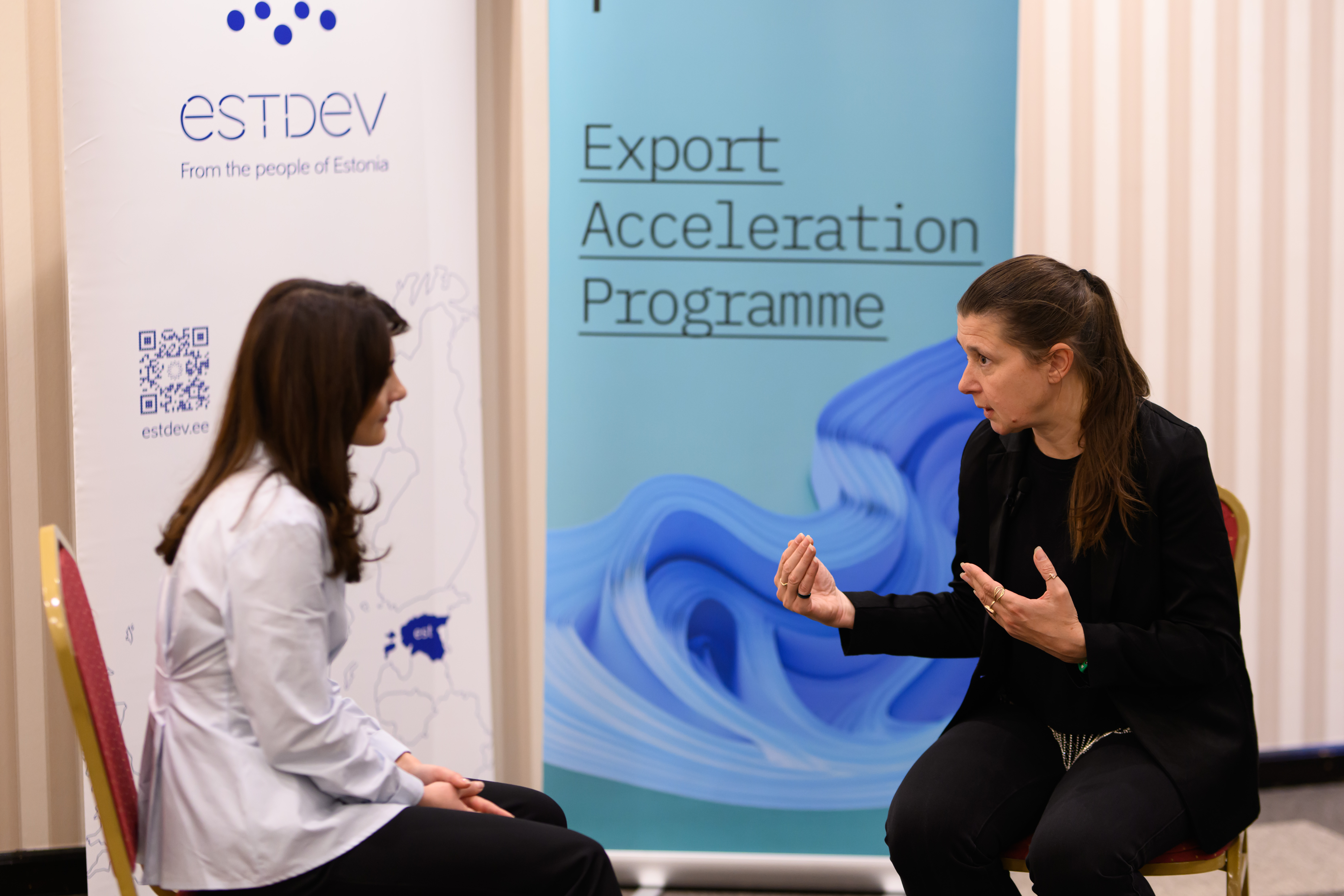
What message would you give Armenian companies that are just starting to export or looking to diversify their exports?
When times are difficult and the situation is critical, you need to act quickly. As a business owner or manager, you may start to panic and try to move in every direction at once, taking action without knowing what will actually work.
My recommendation to companies is to take some time to think and prepare in advance. This is extremely valuable, especially when you can already see potential risks before they materialize.
I believe that, in times of crisis, it is important to consider different plans before the crisis actually hits. If the first option does not work, what is the second? What is the third? What is the fourth?
If you have a framework for evaluating your options and calculating their potential outcomes, the decision-making process becomes faster and more effective. You have more time to test different scenarios mentally and assess what might work.
Then, when the situation becomes real, you may conclude that it is better to start with the last option because the first ones are no longer viable.
So, once again, I believe it is important to explore different options but then focus on a specific direction. Companies still need to manage their day-to-day operations. They cannot focus exclusively on exporting or try to enter 20 different markets at once. That would require too much time and effort.
You need to explore the different opportunities and develop alternative plans before deciding where to focus. Then you can select the option that makes the most sense for your company.
That is the approach I would recommend to Armenian companies.