

Այս պատմությունը դեռ հասանելի չէ հայերեն
Ցուցադրում ենք բնօրինակը Armenian: Թարգմանությունը շուտով:
With Estonian support, Georgian small businesses expanded into European markets and created nearly a thousand new jobs
More on the topic

Սկզբնապես հրապարակվել է ESTDEV news
With the support of Estonia and UNDP, Georgian small and medium-sized enterprises have created 960 new jobs and helped 25 companies enter the European Union market for the first time in the past three years. The ESDTEV-funded program has strengthened the export capacity of 306 companies and brought new economic growth to Georgia with the help of Estonian know-how.
- Since 2023, Georgian SMEs have created 960 new jobs in the country
- SMEs account for nearly 90 percent of all companies registered in Georgia
- ESDTEV-funded program has strengthened the export capacity of 306 companies
Representing the majority of all active businesses in Georgia, SMEs play a vital role in the country’s economic development, sais ESTDEV in their news. Many are investing in innovation, green technologies and sustainable business models while seeking to expand beyond the domestic market.
Although around 13 percent of Georgian SMEs already export their products and services, many more are looking to access international markets, particularly in the European Union.
Through theInclusive Access to Markets project, the Estonian Centre for International Development (ESTDEV), the United Nations Development Programme (UNDP) and Visionest Institute are helping Georgian entrepreneurs turn this ambition into reality. Some are already making waves in international markets.
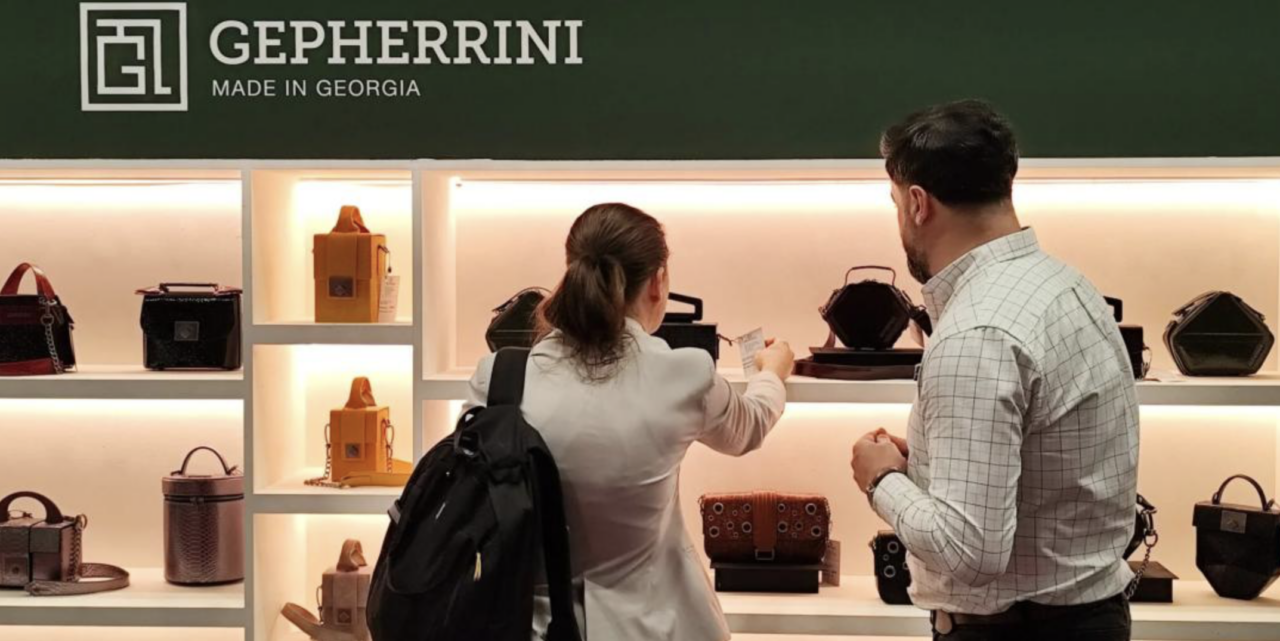
Since 2023, 306 SMEs across Georgia, 73 percent of which are women-led, have strengthened their competitiveness and export readiness through the programme’s tailored training, consultancy, technical assistance and business development support. The results are already tangible: 960 new jobs created, 25 businesses entering EU markets for the first time and participating enterprises reporting an average five percent growth in export revenues.
According to Anu-Mall Naarits, the CEO of Visionest Institute, these results show what becomes possible when ambitious entrepreneurs receive practical, long-term support.
“Georgian businesses already have creativity, strong products and the determination to grow; our role is to help them turn that potential into a structured and credible path towards international markets. This means understanding what foreign buyers expect, strengthening positioning and business processes, meeting European standards and building partnerships that last.”
She added that when companies enter the EU market, increase their exports and create new jobs, the impact reaches far beyond individual businesses. “It strengthens local communities, economic resilience and Georgia’s ability to compete internationally.”
With support from ESTDEV and Visionest Institute, these businesses are upgrading production processes, improving logistics, strengthening value chains and working towards compliance with EU standards. As production grows and exports increase, they are creating employment opportunities, stronger communities and a more resilient economy.
Today, SMEs representnearly 90 percent of all registered businesses in Georgia. They generate 32.3 percent of total business sector turnover, employ 60 percent of the private-sector workforce and account for 60 percent of the country’s exports to the EU.