Այս պատմությունը դեռ հասանելի չէ հայերեն
Այժմ ցուցադրվում է բնօրինակը անգլերեն։ Հայերեն կարդալու համար օգտվեք Google Translate-ից։
From Tallinn to Helsinki: Georgian Architects Building Connections Through Architecture
More on the topic

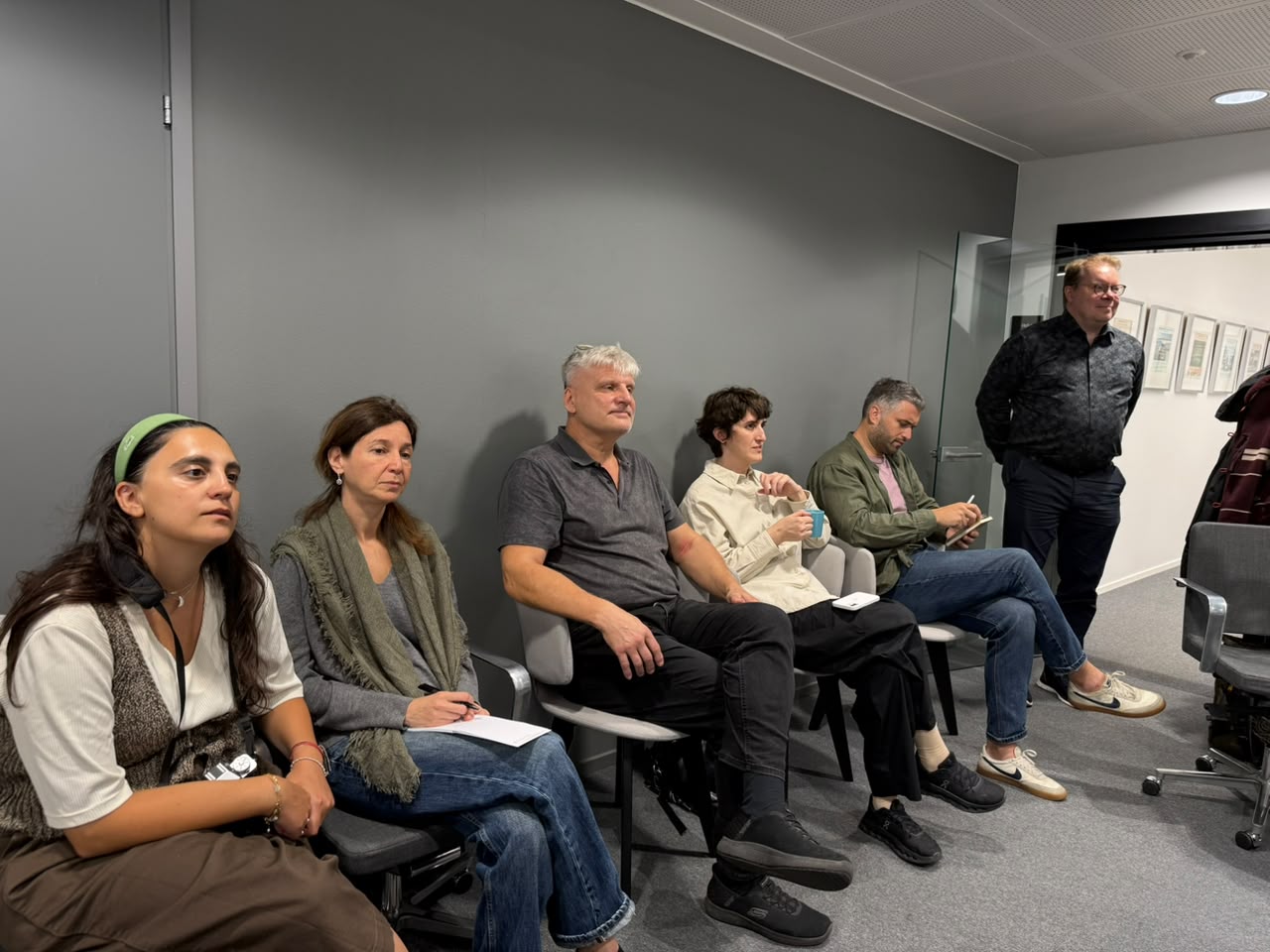
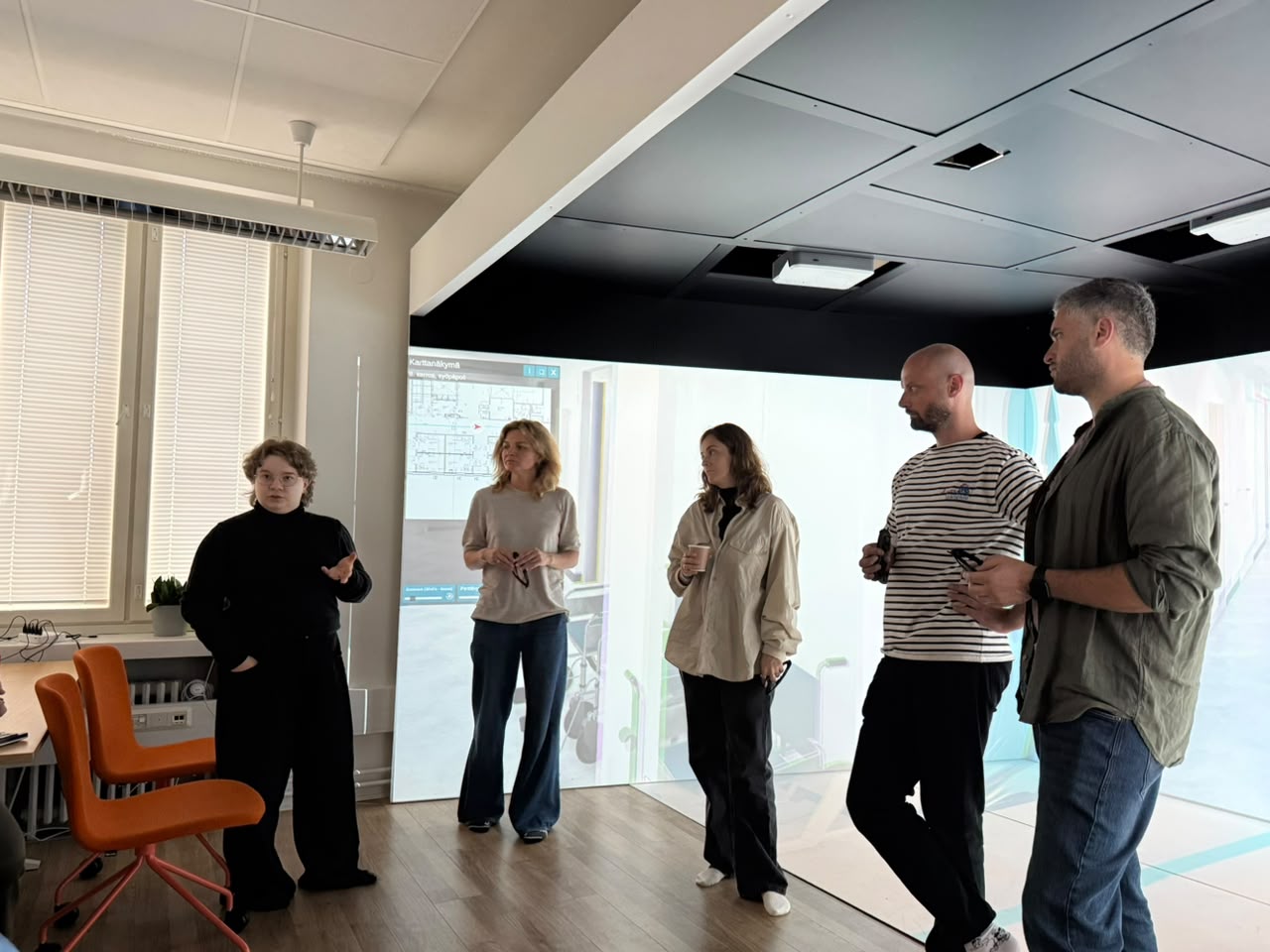
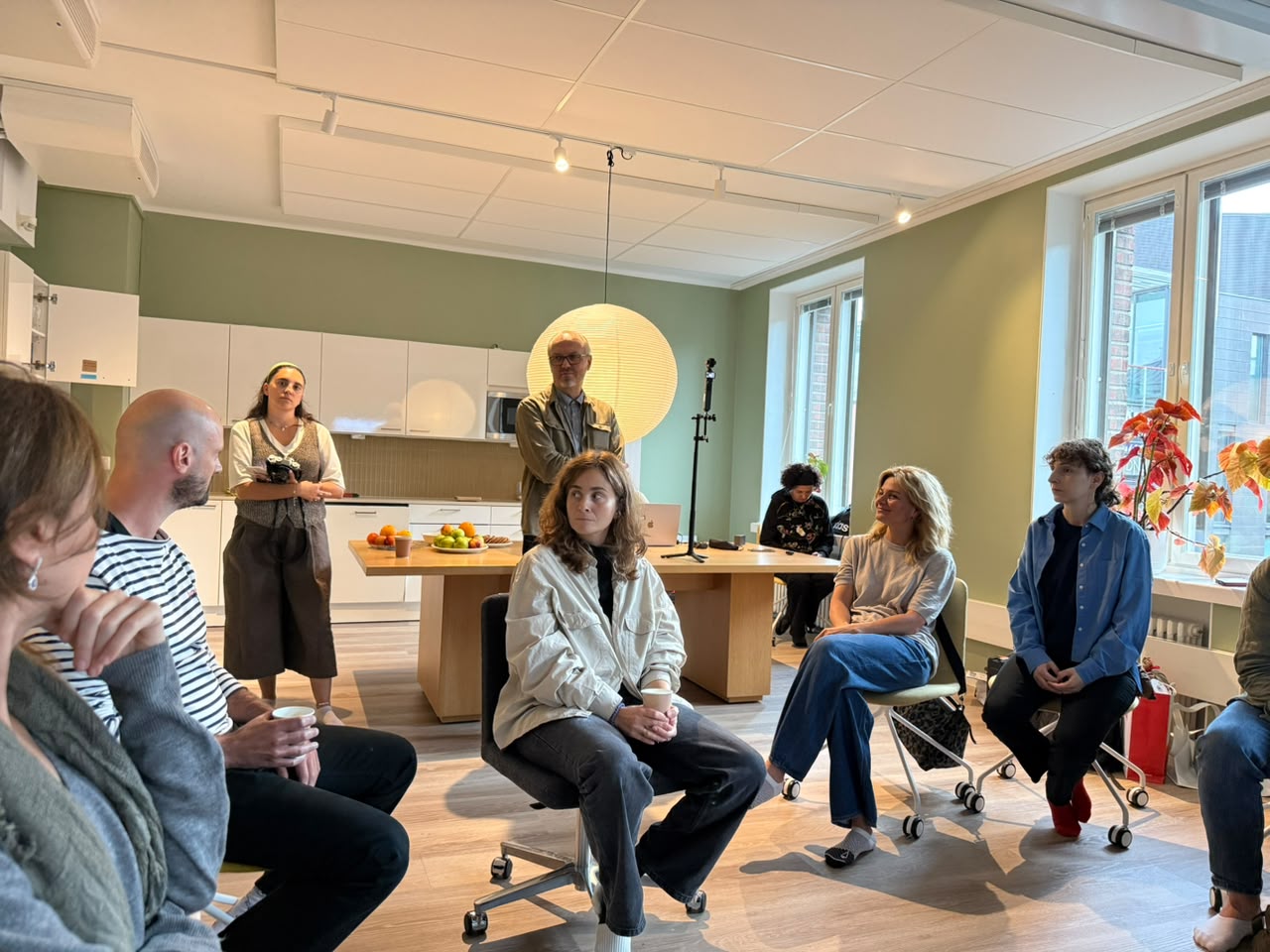
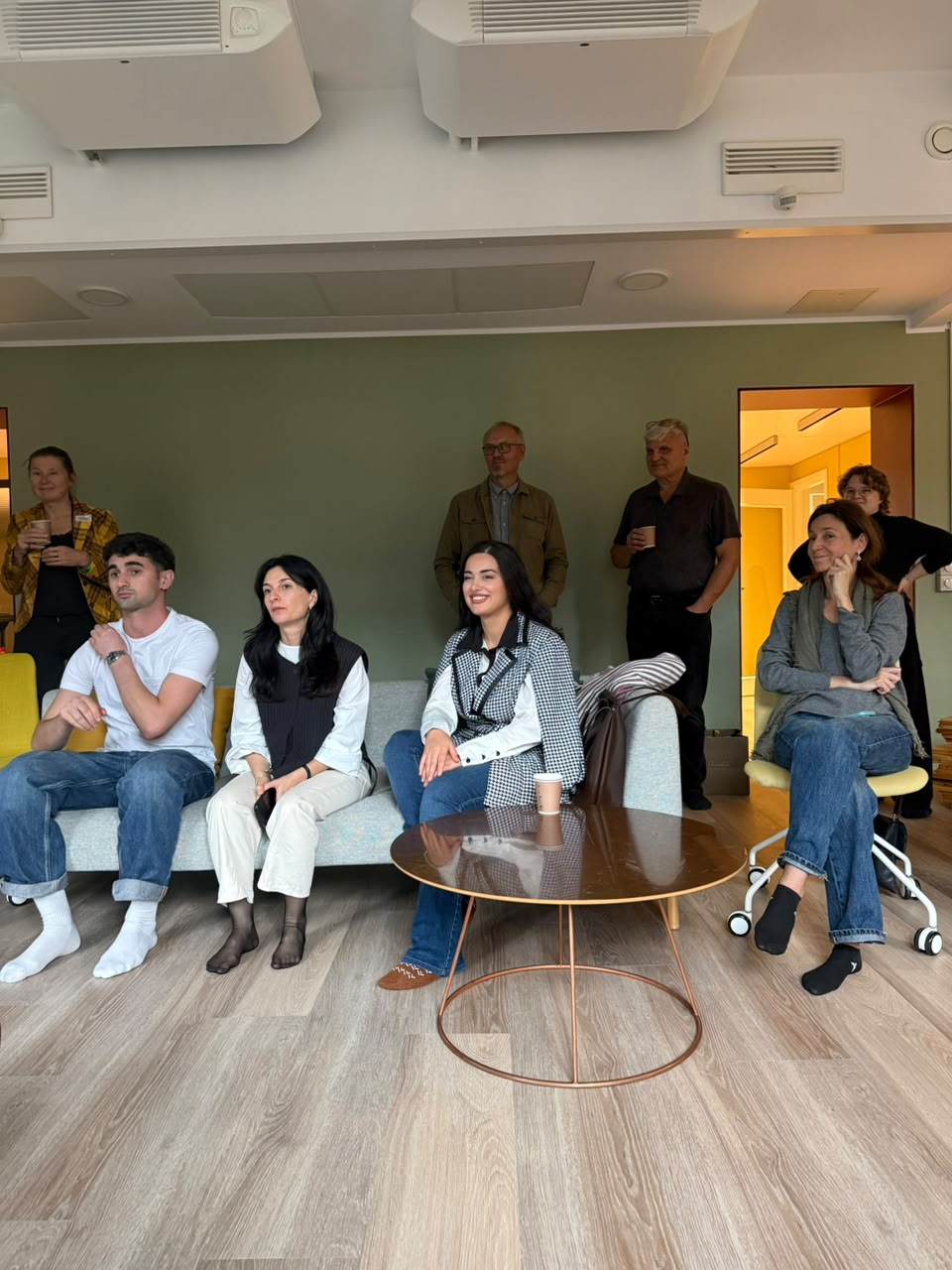
As part of the “Architecture Trampoline” international study programme, nine Georgian architecture companies travelled from Tallinn to Helsinki to continue their study visit and meet with Finnish professionals, institutions and architects.
The Architecture Trampoline programme is funded by the European Union and implemented by Visionest Institute, a contractor of the Estonian Centre for International Development, with support from UNDP Georgia. It aims to support Georgian SMEs in exploring EU and European markets through international trade fairs, B2B events and other opportunities for international cooperation.
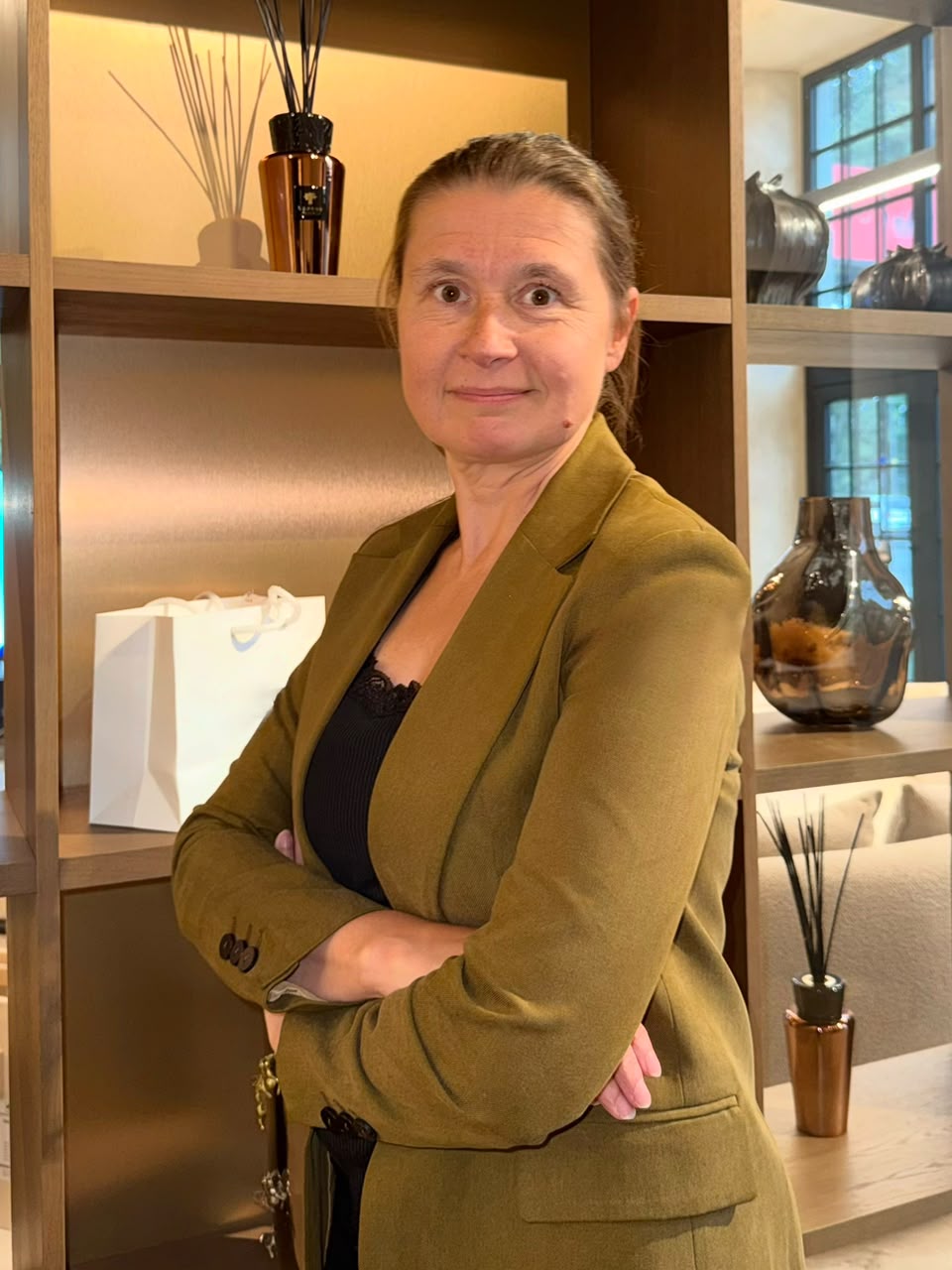
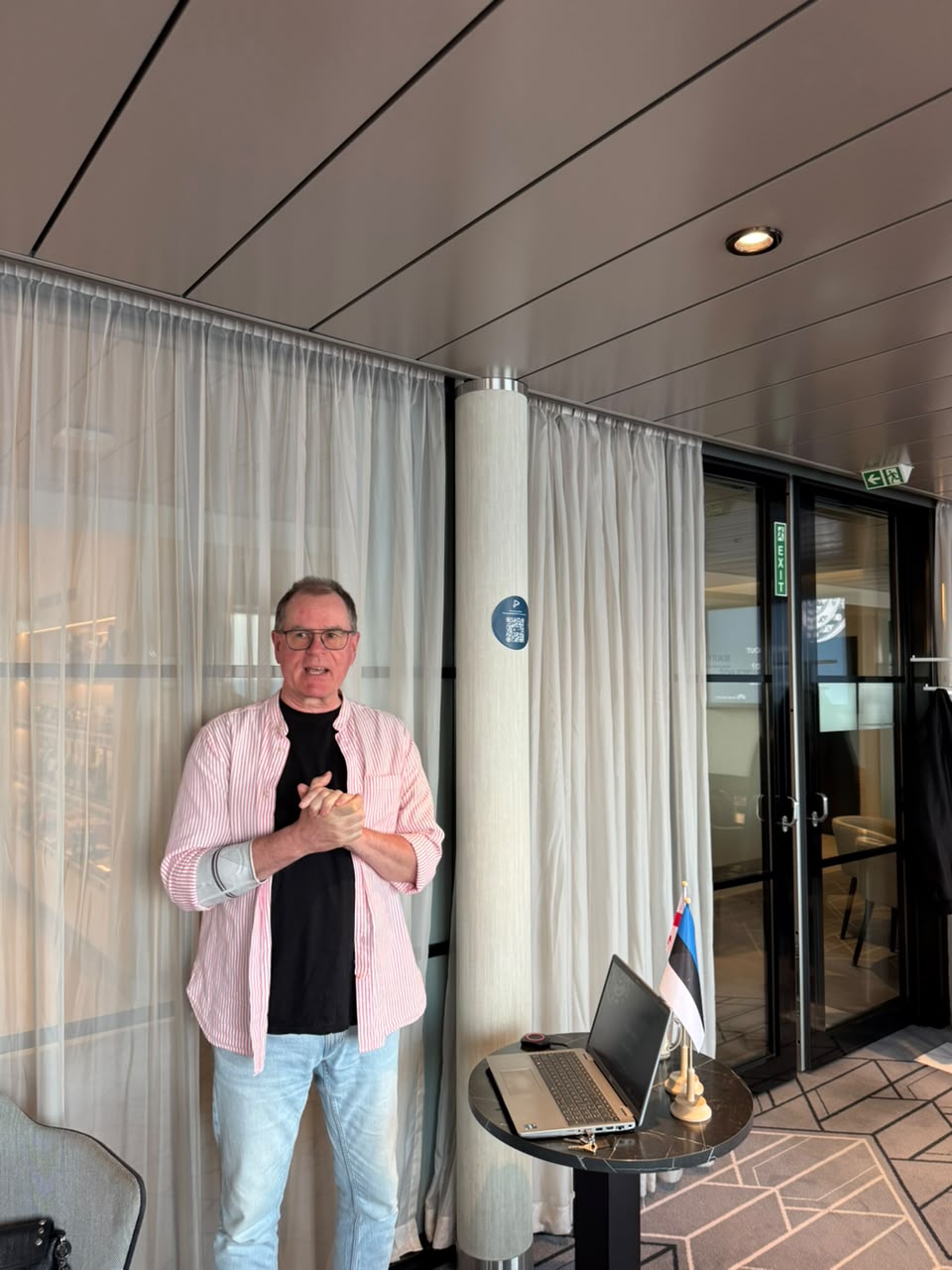
“Estonia and Finland seem to look alike when seen from far away in Georgia. During this visit, all the architects learned about the differences in culture, values, mindsets, history, and design approach. Although different, we are nearby and connected. This in-depth understanding showed the architects how to map different cultures in the EU and other regions. This knowledge is essential for anyone wanting to export their services and collaborate internationally,” told CEO of the Visionest Institute Anu-Mall Naarits.
The Architecture Trampoline programme is funded by the European Union and implemented by Visionest Institute, a contractor of the Estonian Centre for International Development, with support from UNDP Georgia. It aims to support Georgian SMEs in exploring EU and European markets through international trade fairs, B2B events and other opportunities for international cooperation.
The nine companies reached this stage after completing a three-day training in Georgia in December 2025 and the subsequent mentorship stage in 2026. Following a competitive selection process, they received a fully funded opportunity to travel to Estonia and Finland and explore different approaches to architecture, business, sustainability and international cooperation.
The Georgian architects’ delegation was accompanied by UNDP Georgia representatives Giorgi Tsimintia, Project Manager of the “Inclusive Access to Markets” project, and Teiko Kandelaki from the UNDP Communications Office, alongside the Visionest Institute team of CEO Anu-Mall Naarits, Project Manager Krista Kulderknup, and Training and Communications Coordinator in Georgia Tatia Paradashvili.
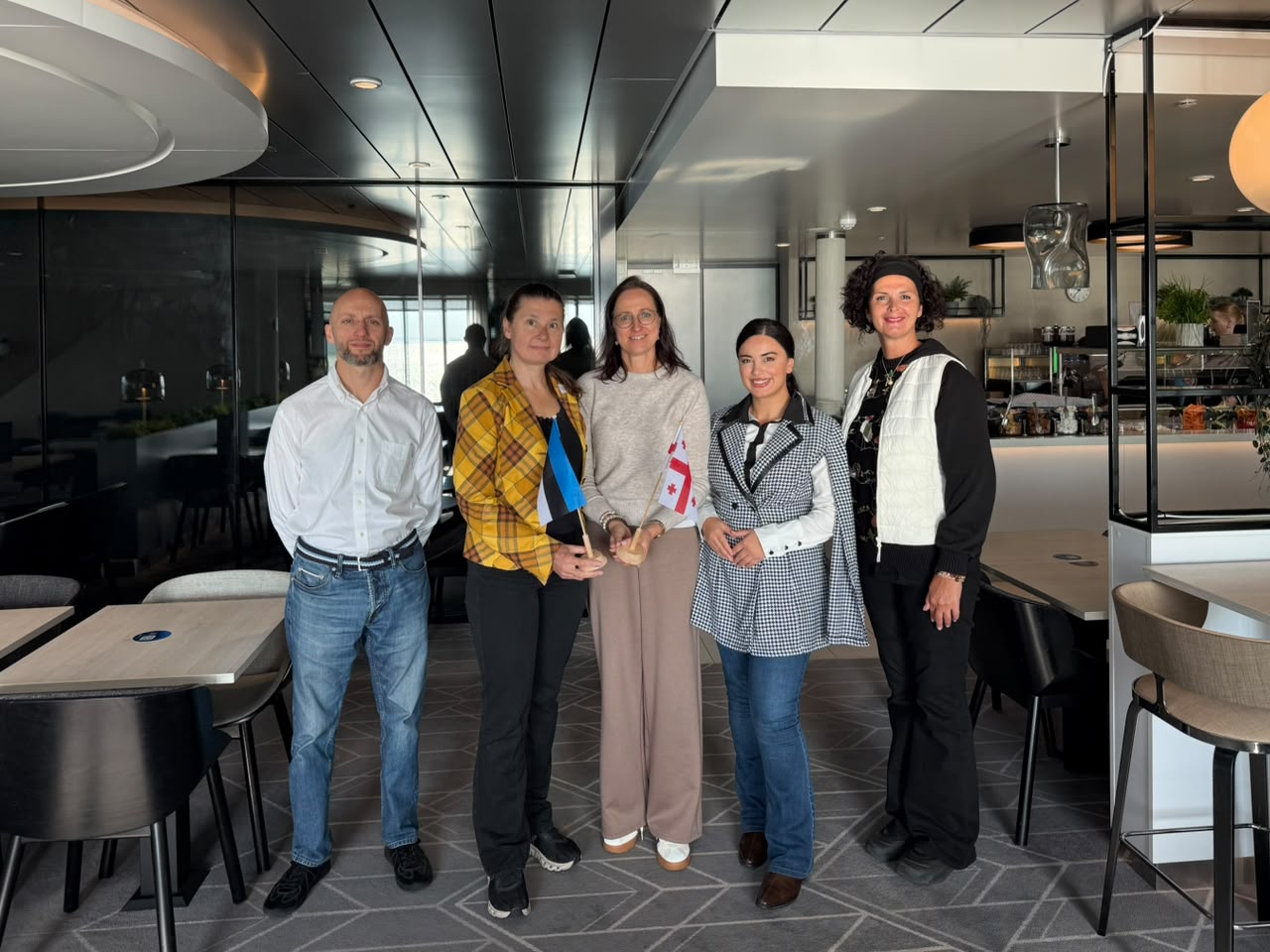
A Day in Helsinki
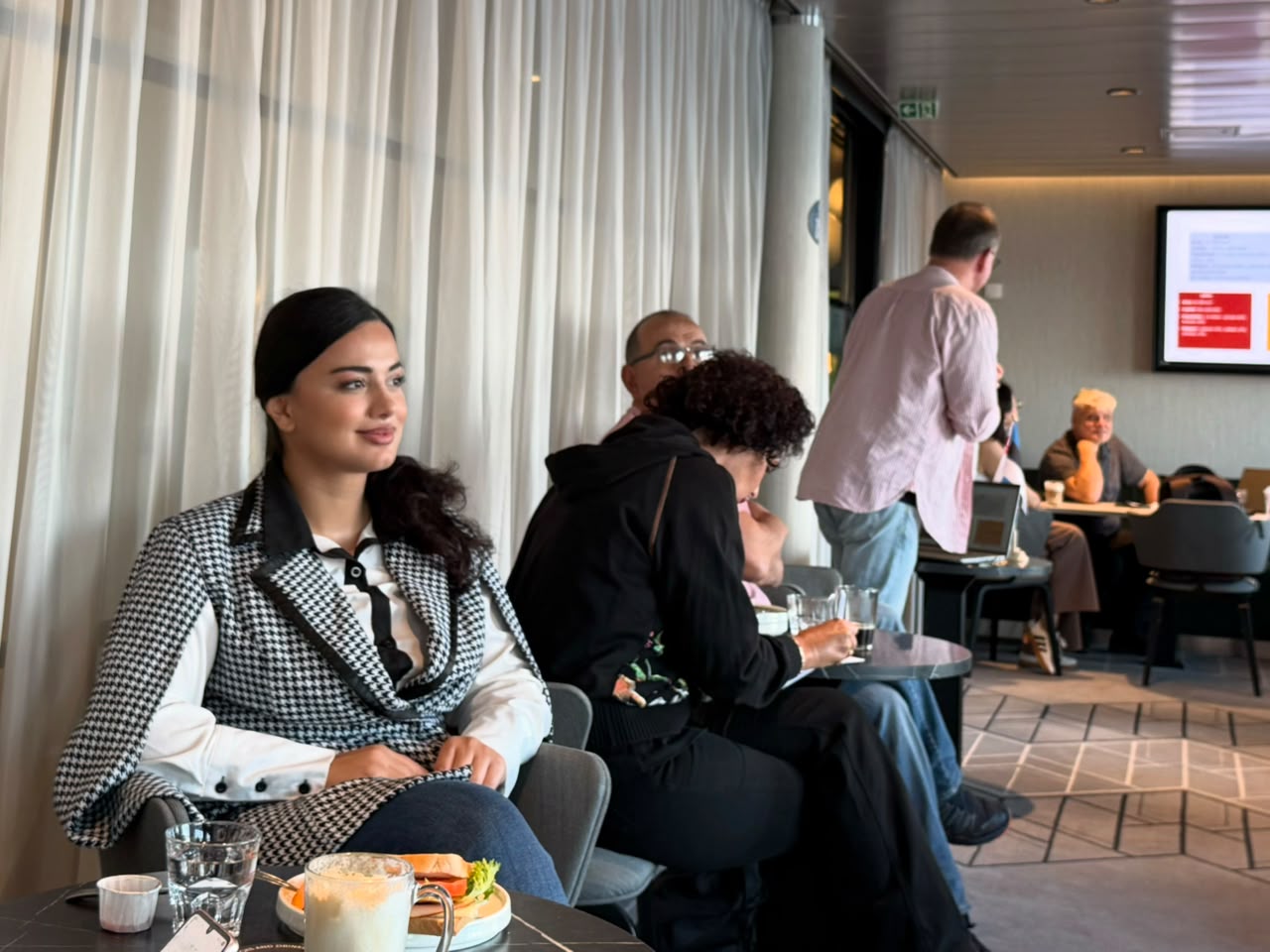
The group travelled from Tallinn to Helsinki by ferry, beginning a full day focused on Finnish architecture, culture and urban development.
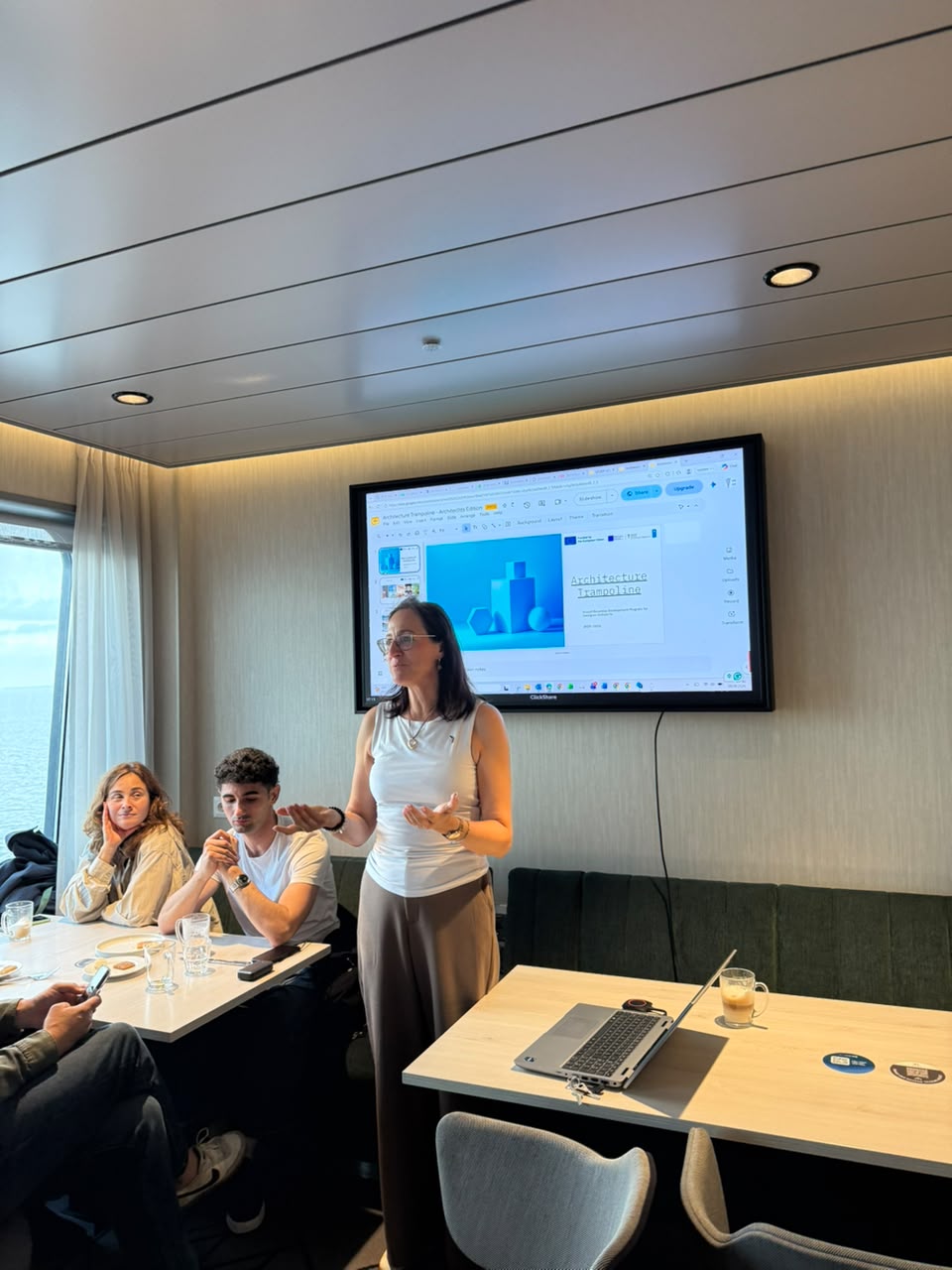
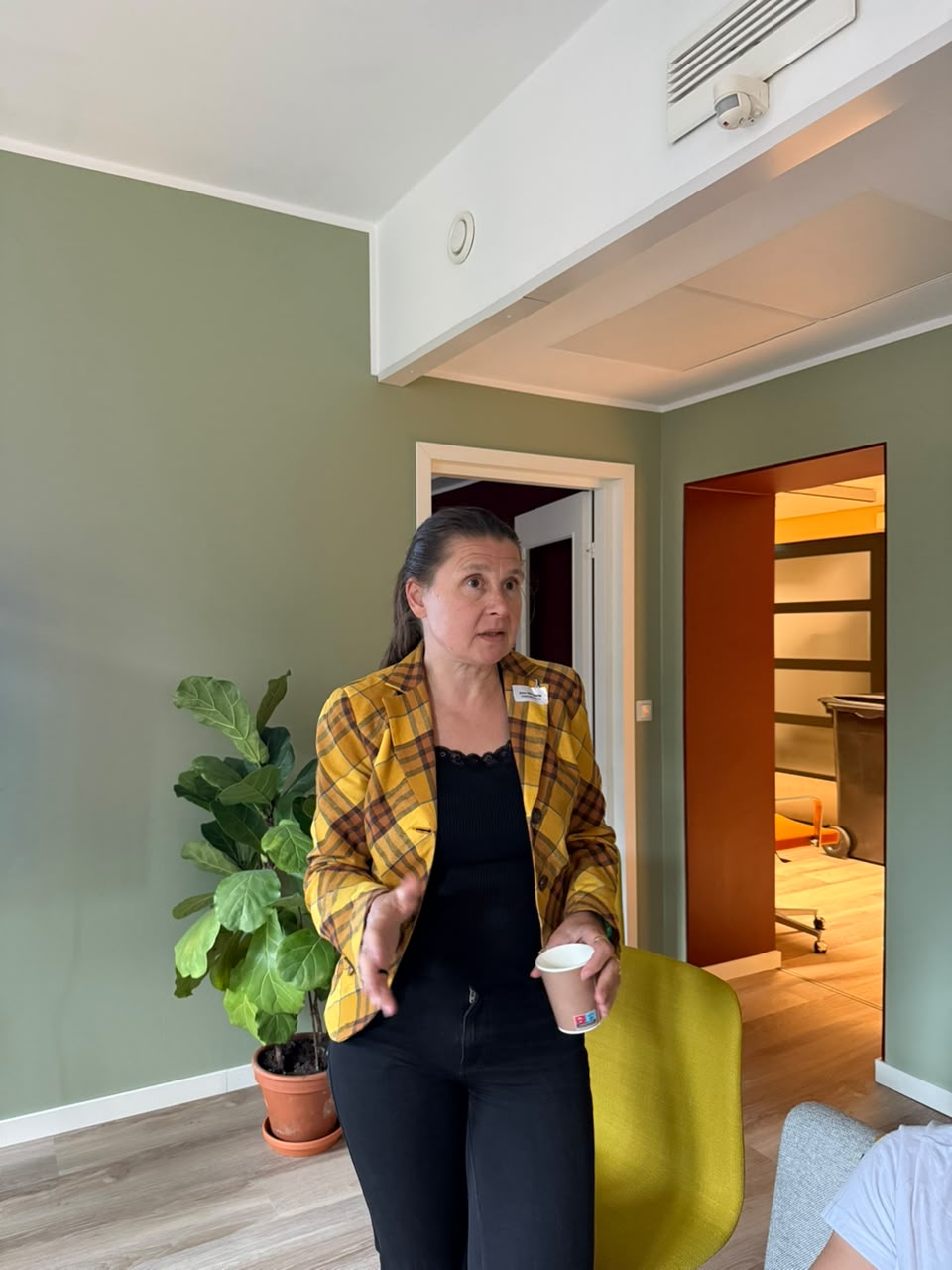
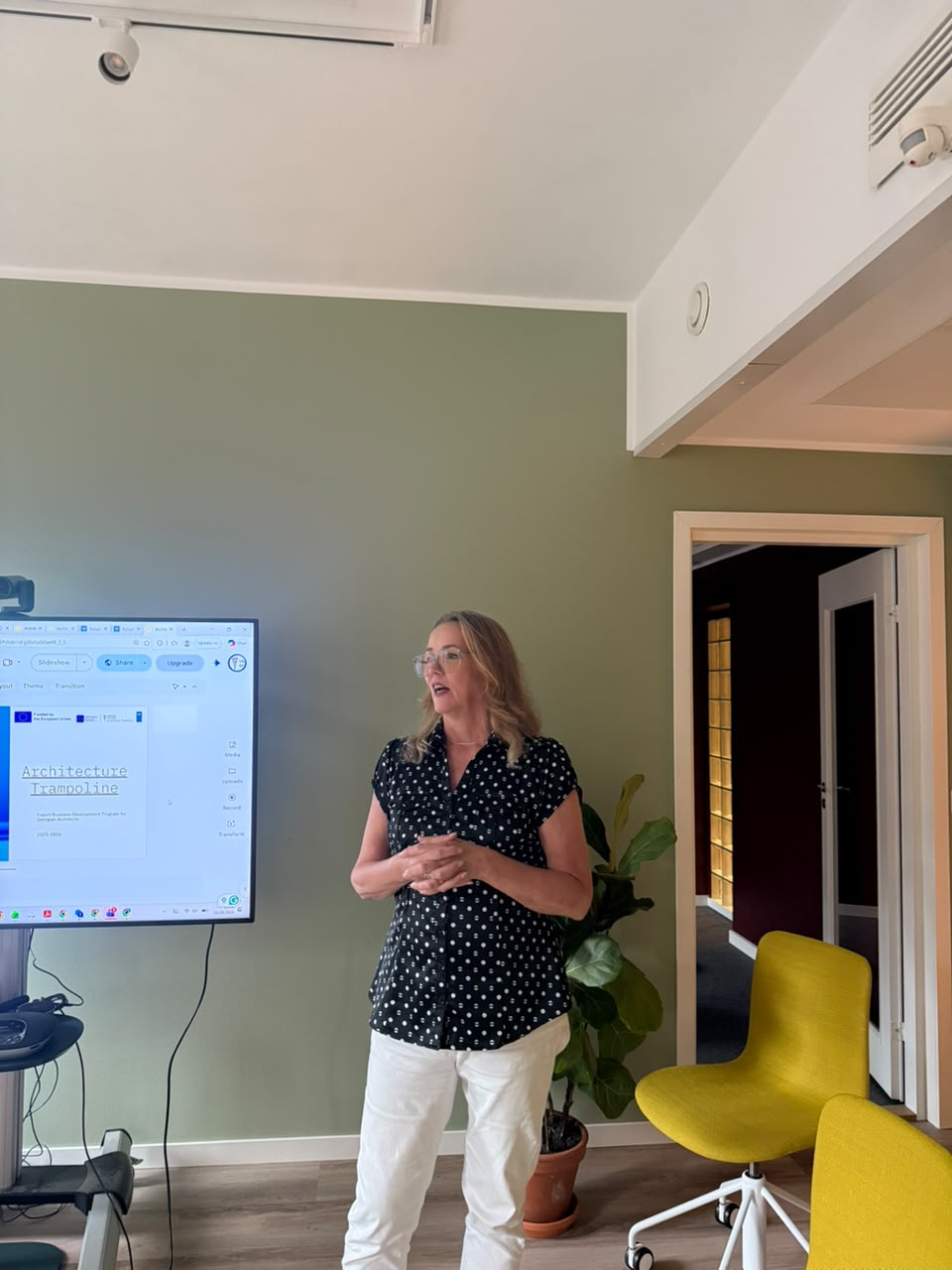
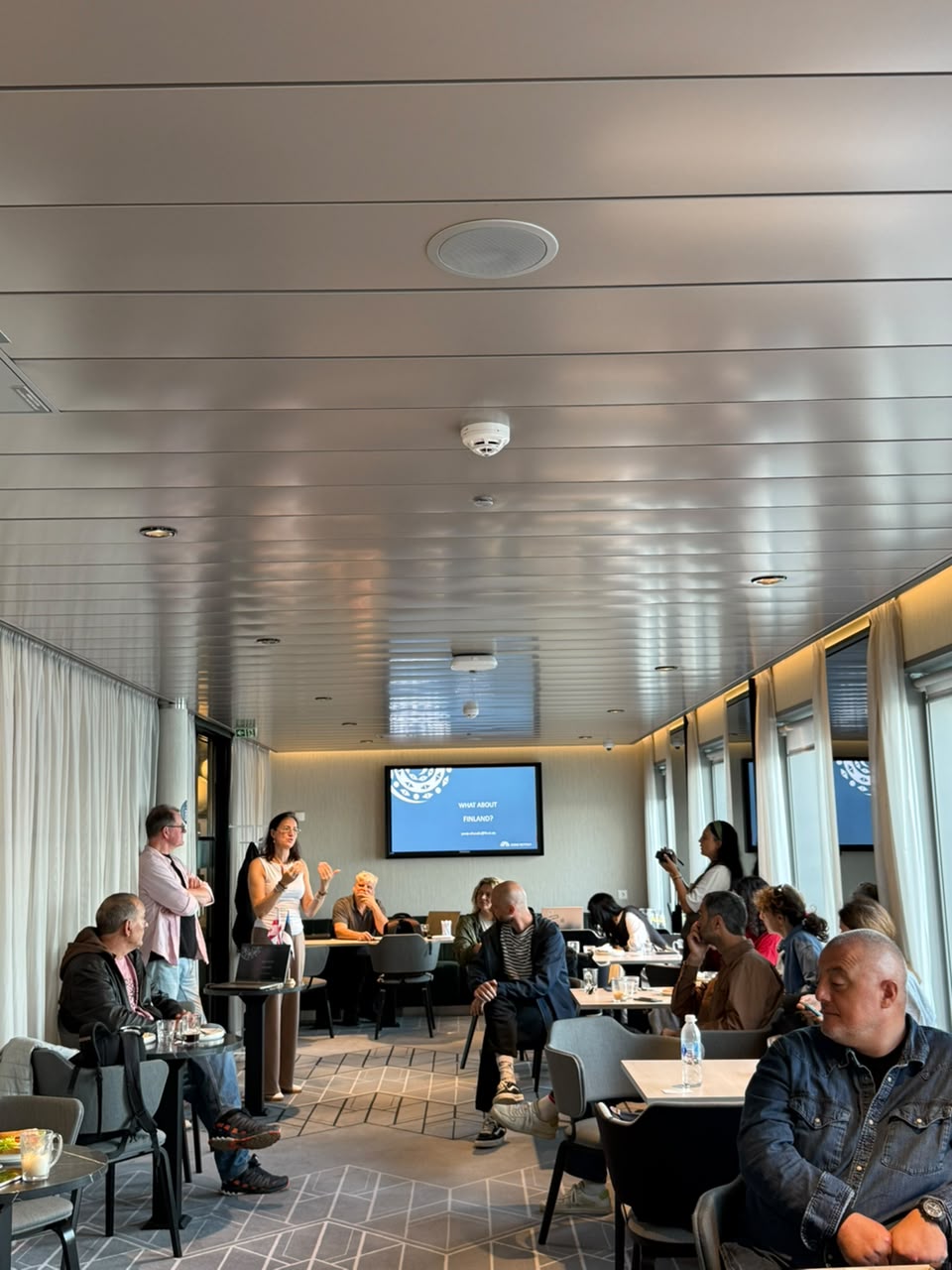
The programme opened with a seminar by the Finnish Institute in Estonia, introducing the participants to Finnish architecture, culture and society. It provided a starting point for understanding the wider context in which Finnish architecture and professional practice have developed.
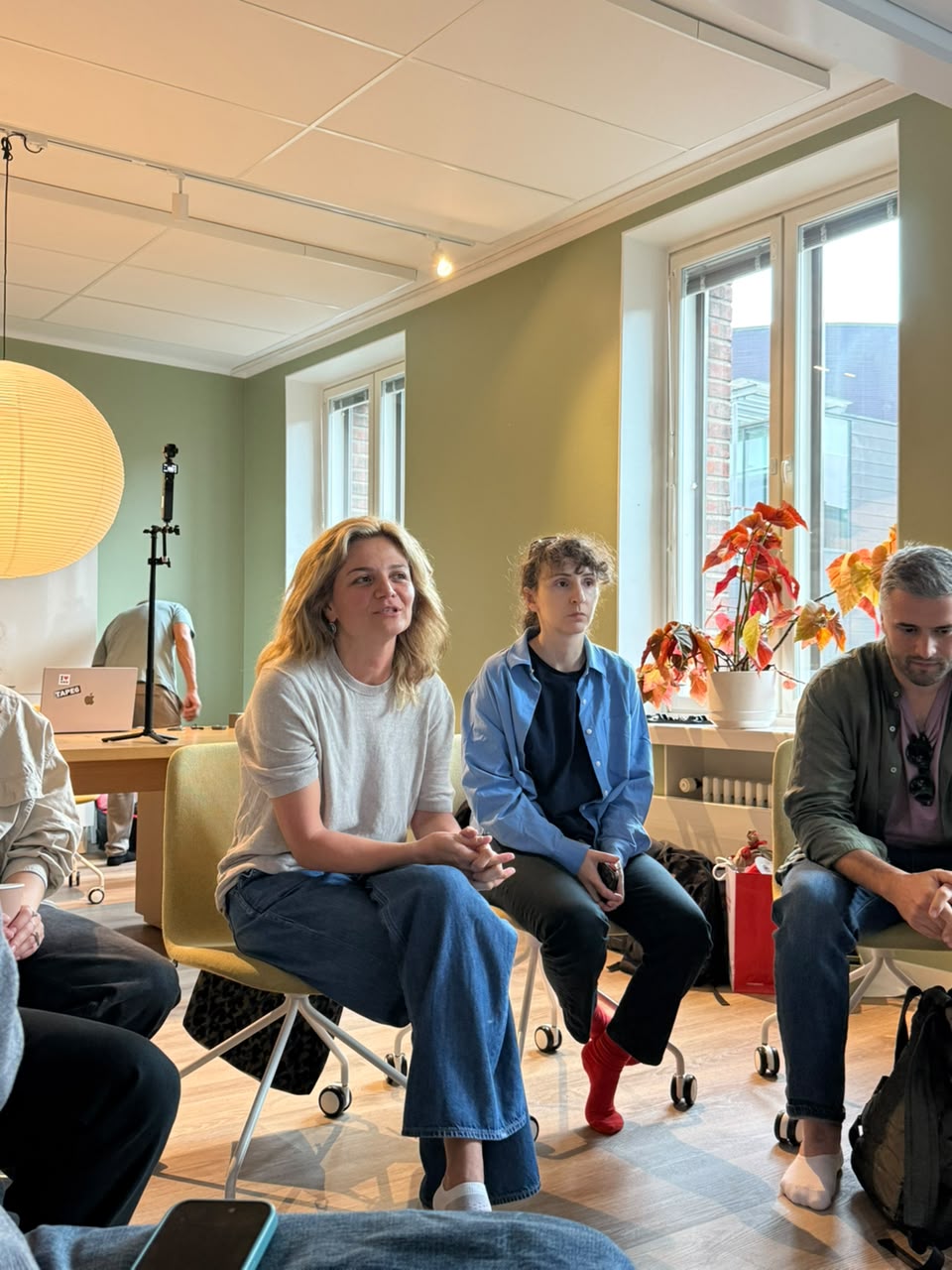
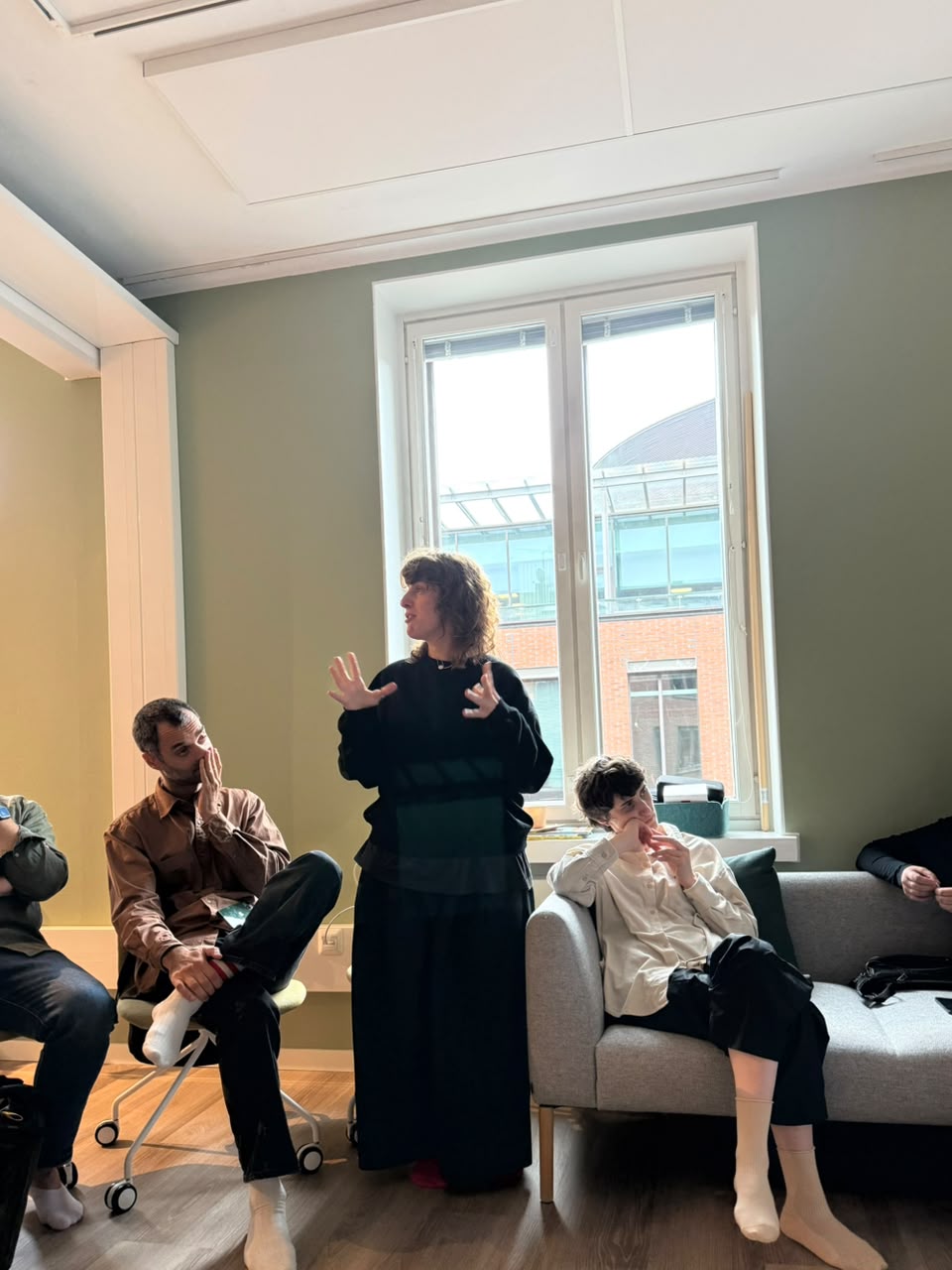
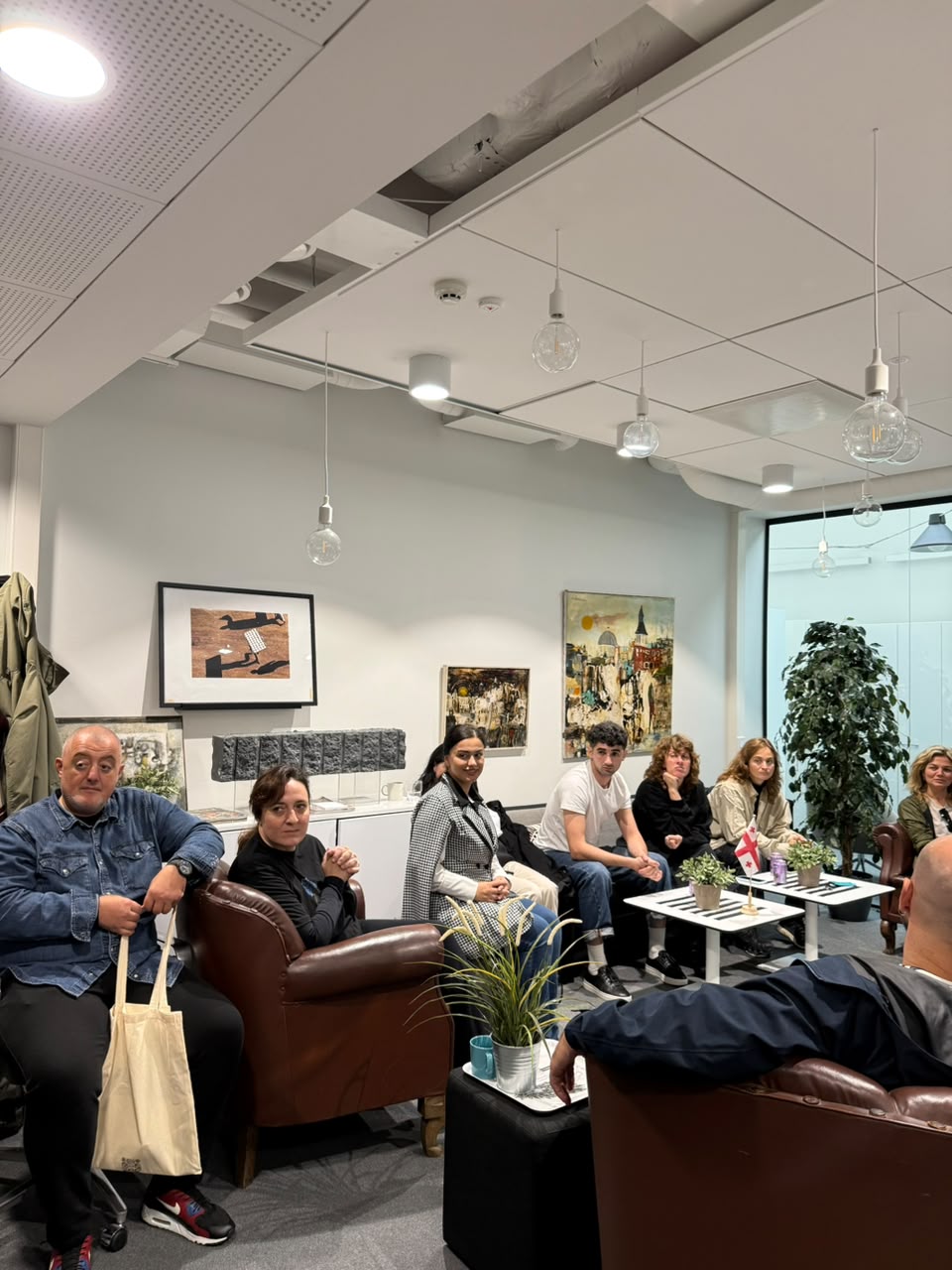
The exchange was not one-sided. Alongside learning about Finland, the Georgian participants also had the opportunity to share their own experiences and perspectives, creating a conversation between Georgian and Finnish approaches to architecture and the built environment.
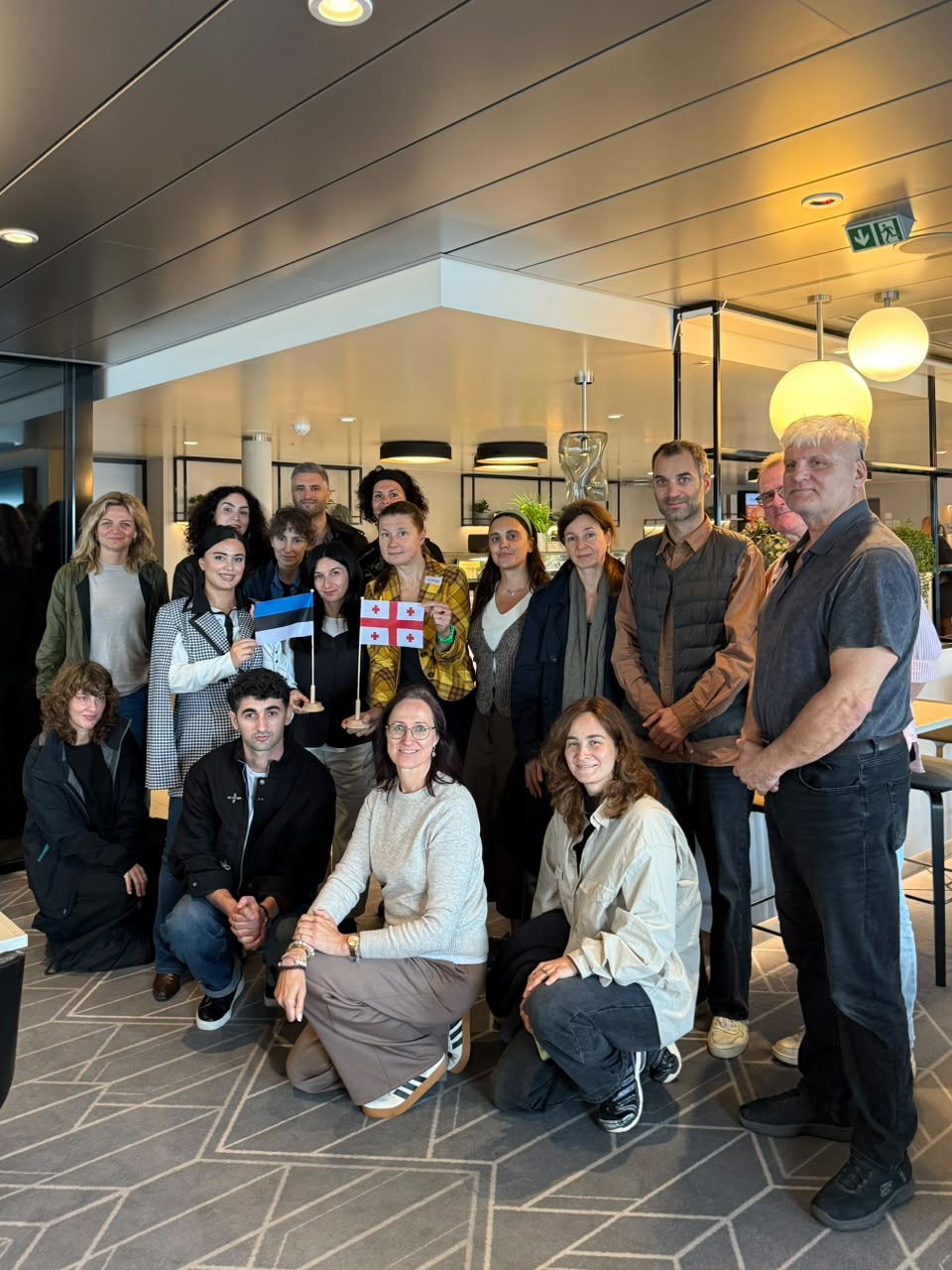
Meeting Finnish Professionals
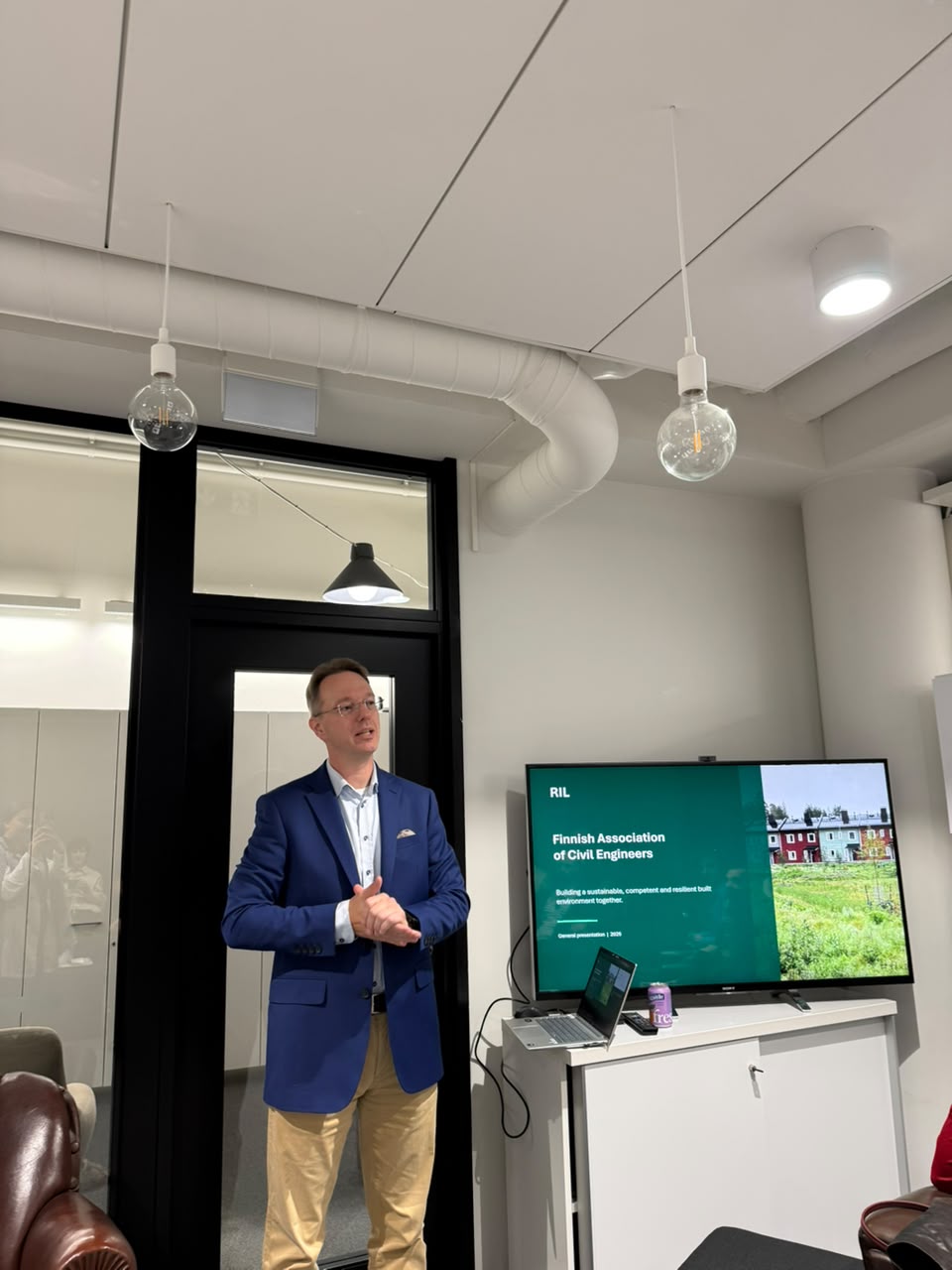
The delegation then met with the Finnish Association of Civil Engineers (RIL), adding a professional and technical perspective to the programme. The meeting gave the participants an opportunity to learn more about the Finnish professional environment and exchange experiences beyond the work of individual architecture studios.
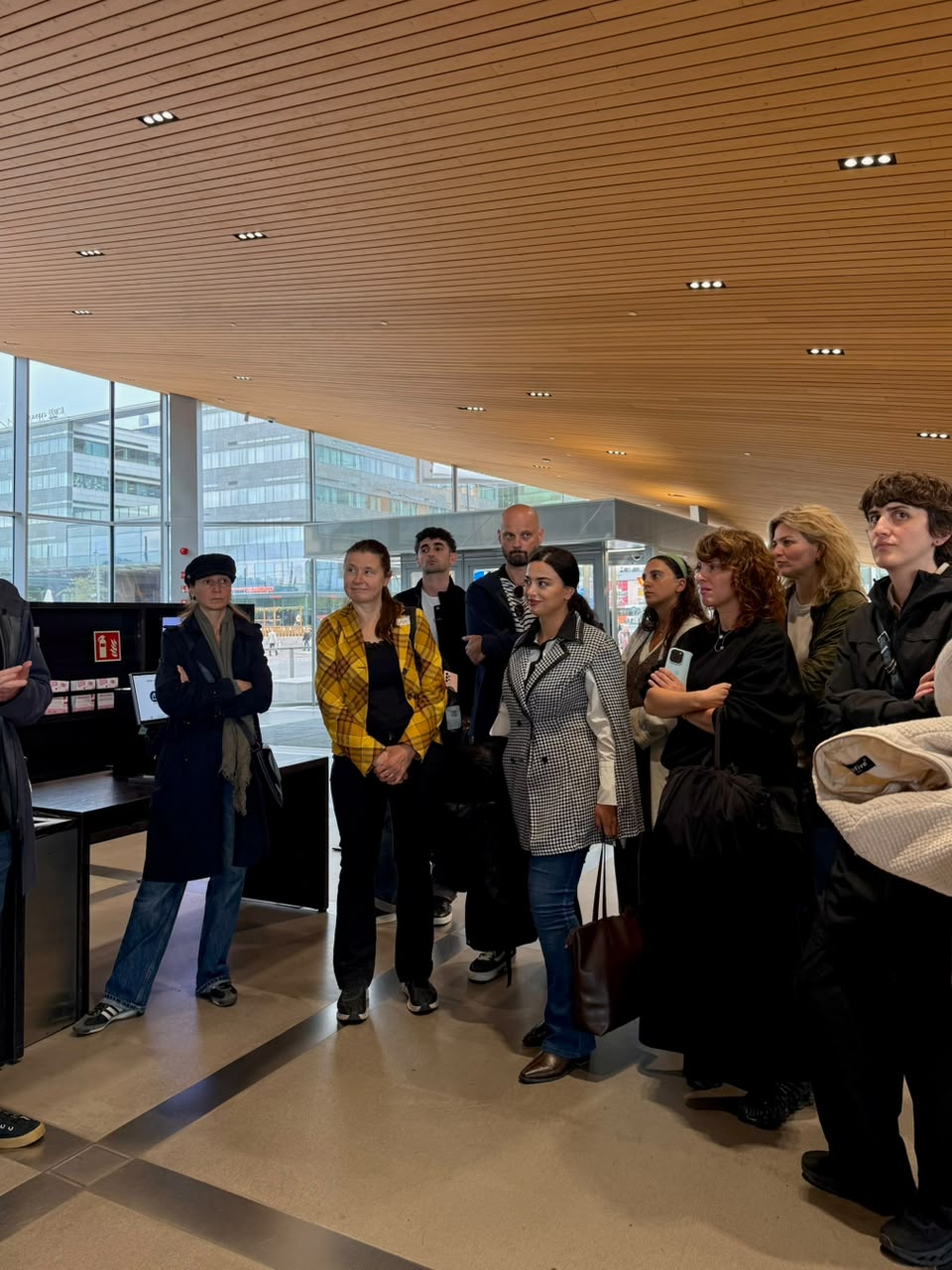
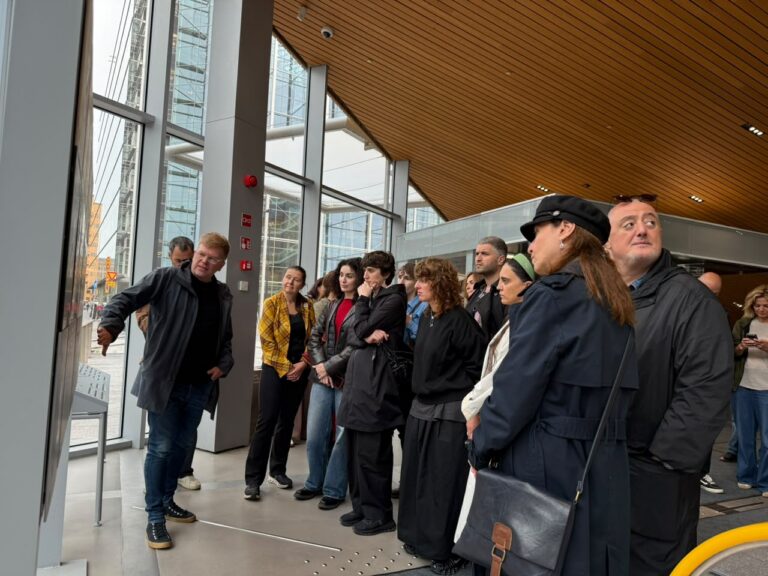
At Oodi Central Library, the group met with ALA Architects. The visit connected the participants with one of Helsinki’s well-known public spaces Oodi and gave them an opportunity to meet the architects behind the project, discuss their professional experience and exchange ideas.
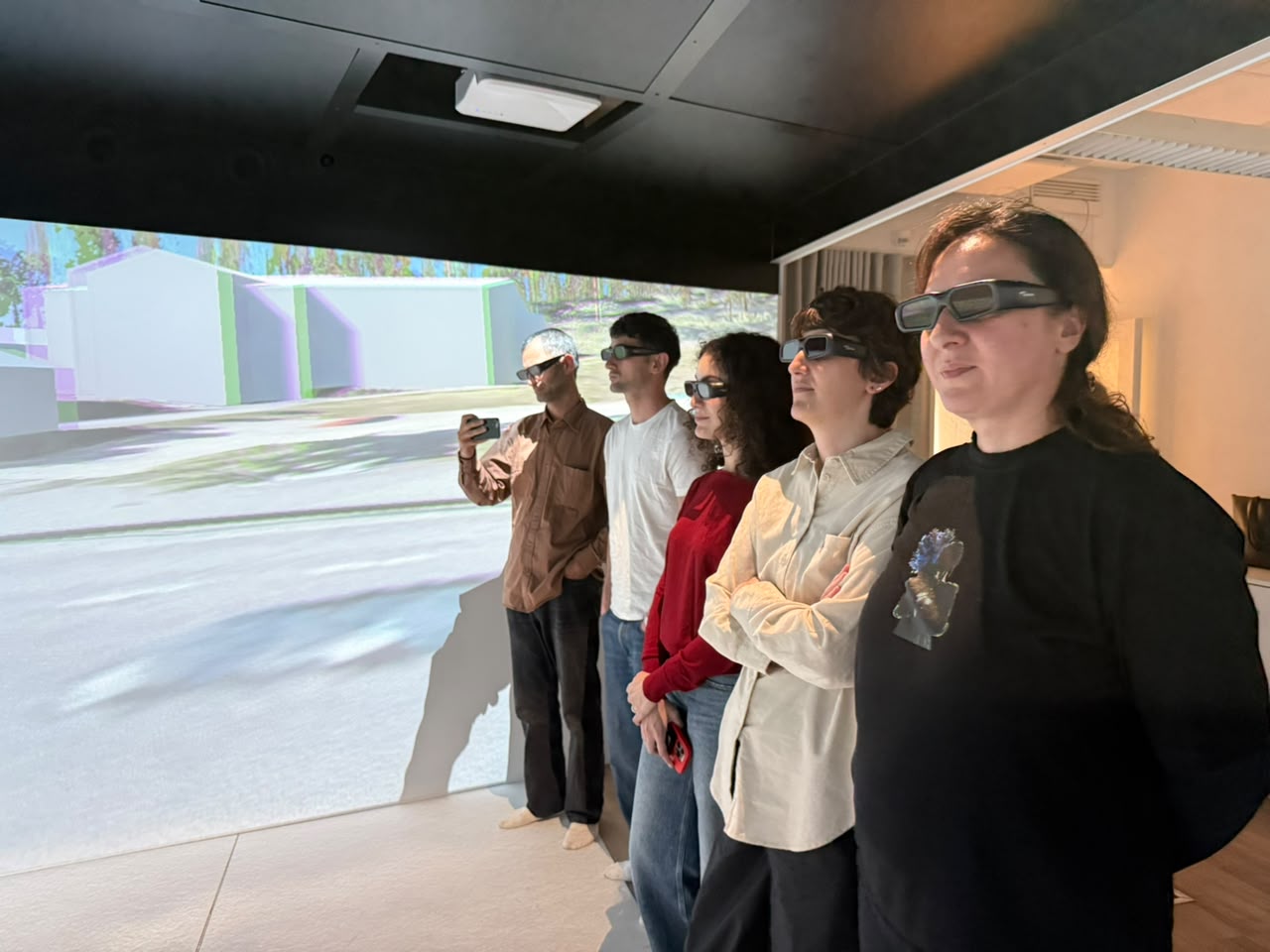
The programme continued with a meeting at UKI Architects, where the Georgian practices also presented their companies through short pitches. This created a more direct professional exchange and allowed the participants to introduce their work, interests and experience to Finnish colleagues.
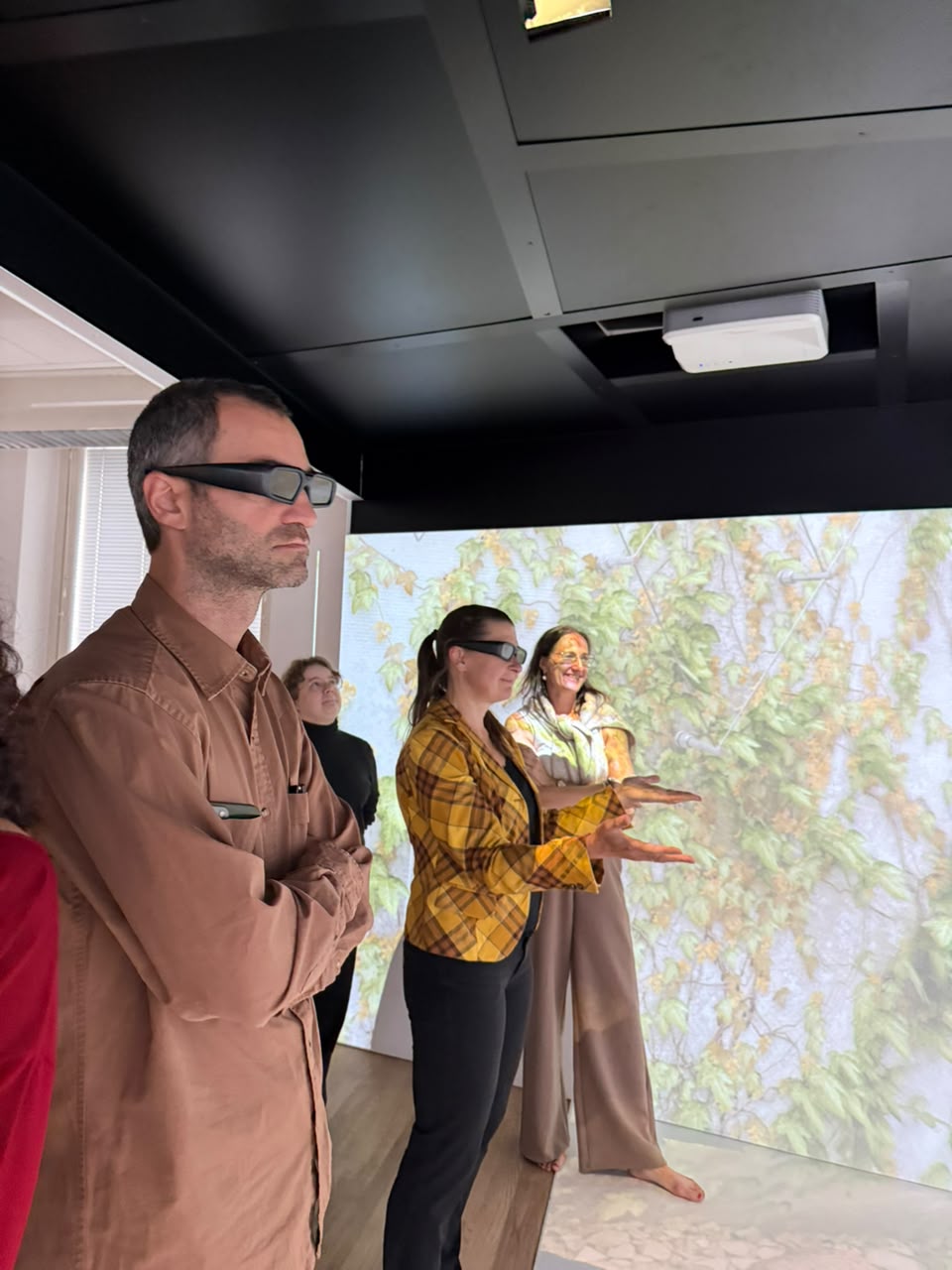
Architecture and the City
The day also included a guided architecture and urban development tour of Helsinki. Seeing the city itself helped connect the meetings and presentations with the urban environment around them.
As they moved through Helsinki, the participants could observe different approaches to public buildings, cultural spaces, housing and urban development and compare them with their own experiences of working in Georgia.
For the Georgian practices, the visits offered an opportunity to look at architecture in its wider context — not only through individual buildings, but also through the way architecture responds to the cultural, social and urban environment around it.
Georgian and Finnish Culture: An Exchange of Experiences
Culture was also an important part of the Helsinki visit. The delegation had the opportunity to experience Finnish culture while sharing aspects of Georgian culture and professional practice with the people they met.
The differences between the two countries provided an interesting basis for discussion, while the meetings also highlighted shared questions around professional development, new markets, urban spaces, international cooperation and the future of architecture.
“The study visit to Tallinn and Helsinki was highly informative, productive, and, in many ways, truly eye-opening. It did not feel like a one-sided search for opportunities, but rather an open dialogue and a connection between cultures, ideas, and nations.
We had the opportunity to meet with leading firms and professionals in both countries, gaining insight into their practices, approaches, and perspectives. We were also given private tours led by architects themselves, who openly shared first-hand stories about their thought processes, challenges, and the realities behind the work.
Throughout the entire journey, we felt genuine support, encouragement, and enthusiasm from the organizers. Every aspect of the trip was extremely well organized, meticulously planned, and wonderfully executed.
It was a valuable experience not only professionally, but also intellectually and culturally – one that created space for meaningful exchange, new perspectives, and connections extending beyond the study visit itself. ” told Founder and Principle of KOM Hive, Marita Chanchaleishvili
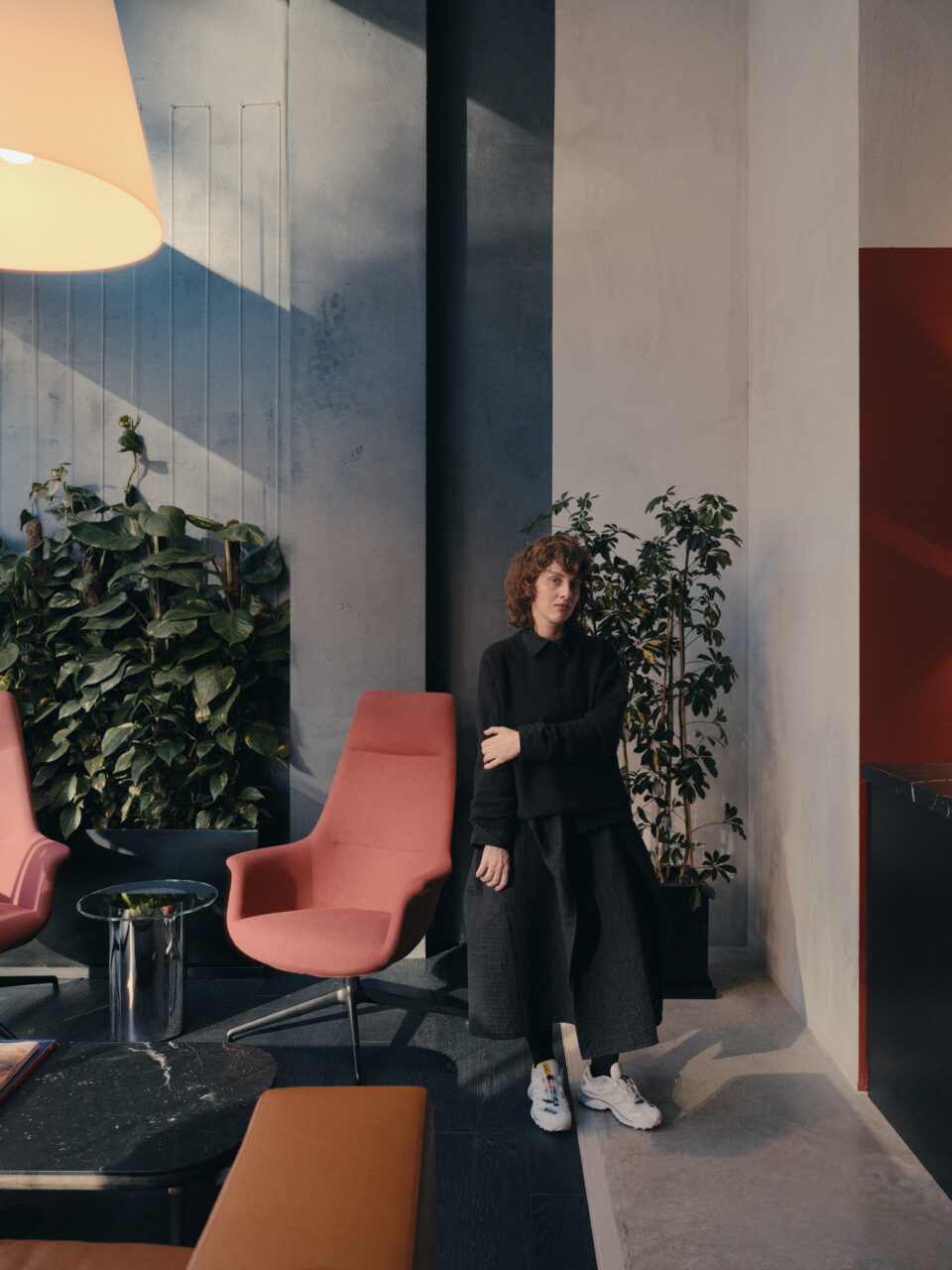
“The study visit to Tallinn and Helsinki was highly informative, productive, and, in many ways, truly eye-opening. It did not feel like a one-sided search for opportunities, but rather an open dialogue and a connection between cultures, ideas, and nations.
We had the opportunity to meet with leading firms and professionals in both countries, gaining insight into their practices, approaches, and perspectives. We were also given private tours led by architects themselves, who openly shared first-hand stories about their thought processes, challenges, and the realities behind the work.
Throughout the entire journey, we felt genuine support, encouragement, and enthusiasm from the organizers. Every aspect of the trip was extremely well organized, meticulously planned, and wonderfully executed.
It was a valuable experience not only professionally, but also intellectually and culturally – one that created space for meaningful exchange, new perspectives, and connections extending beyond the study visit itself. “
Marita Chanchaleishvili
Founder and Principle
The conversations throughout the day also created opportunities for networking and developing professional relationships. While any future cooperation will depend on the organisations and individuals involved, the study visit provided a space for these connections to begin.
Bringing the Experience Home
The Helsinki programme added another perspective to the wider Architecture Trampoline study visit. Estonia and Finland provided different cultural and professional contexts, while giving the Georgian practices opportunities to meet local professionals, explore new approaches and reflect on their own international development.
For the nine participating practices, the study visit was an opportunity to present their work, exchange experiences, build professional connections and gain new perspectives on architecture and creative work in Estonia and Finland.
The experiences and contacts developed during the study visit will become part of the participants’ next steps as they continue exploring opportunities for international cooperation and access to new markets.