

ეს ისტორია ჯერ არ არის ხელმისაწვდომი ქართულად
ამჟამად ნაჩვენებია ორიგინალი ინგლისურად. ქართულად წასაკითხად გამოიყენეთ Google Translate.
NeuroAbi: When a Child Needs Different Support, Teachers Should Not Have to Face It Alone
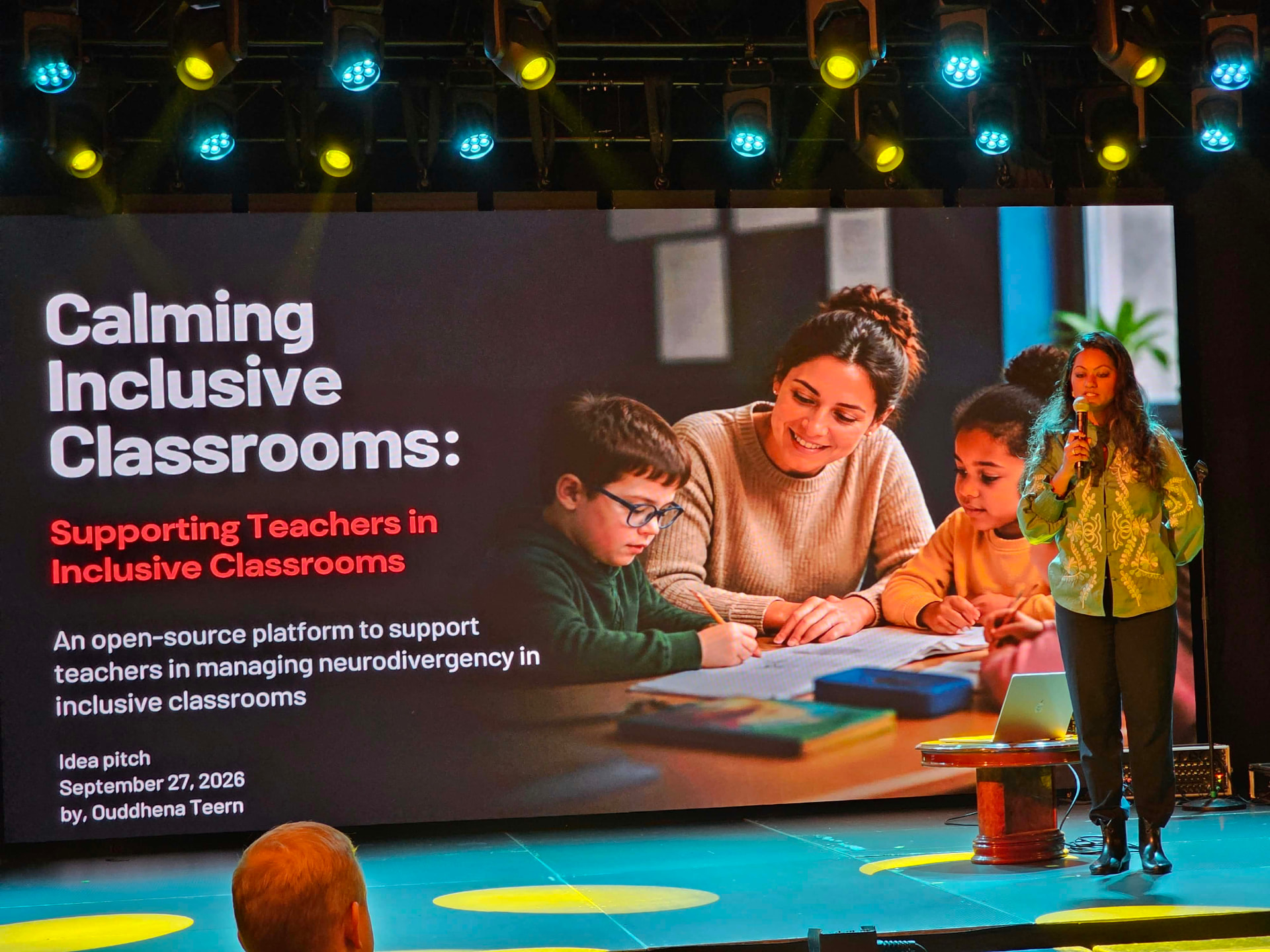
How can teachers recognise and respond to each child’s needs when an entire classroom needs their attention? NeuroAbi, an initiative being developed through the Ideemeistrid programme, aims to create an open-source digital toolkit combining practical guidance with approaches involving art, nature sounds and rhythm. Drawing on personal experience and early conversations with educators, the team wants to make inclusive classrooms more supportive for both children and teachers.
THREE KEY POINTS
Inclusive classrooms need more than good intentions: teachers need practical resources to understand children’s needs and respond to challenging moments.
NeuroAbi has created an initial prototype and begun gathering insights from teachers and schools. Further development and testing are planned.
The team is seeking research, education and technology partners, alongside funding to develop a pilot software platform.
Every Child Learns Differently. How Can One Teacher Reach Them All?
Imagine an ordinary school lesson.
One child needs more quiet to concentrate. Another finds movement or creative activities helpful. A third struggles with a sudden change in the day’s routine. At the same time, the teacher must keep the whole class engaged, explain new material and notice who needs additional support.
Inclusive education seeks to make learning together possible for children with different needs. But what helps that principle work in the everyday reality of a classroom?
That question lies at the heart of NeuroAbi, an initiative led by Ouddhena Teern and her team. They want to make practical support more accessible to teachers working in inclusive classrooms, particularly when a child experiences distress or responds in ways that adults find difficult to understand.
Their starting point is that different ways of perceiving the world, processing information and learning are part of human diversity. The task is to create environments where those differences are understood and supported, so that every child has an opportunity to learn, participate and belong.
A Personal Reason to Create Change
For Ouddhena, NeuroAbi’s purpose is rooted in her own experience.
Growing up as a neurodivergent child in the 1980s and 1990s, she did not receive the support she needed. As an adult, her work as a peer counsellor and her experiences facilitating holistic painting workshops have brought her into contact with caregivers and educators facing similar gaps in understanding.
She describes witnessing adults feel frustrated, embarrassed or helpless when they struggle to understand a neurodivergent child’s behaviour. In those moments, she says, a child who needs support may instead encounter judgement or mistreatment.
“I believe no child should be made to feel wrong for experiencing the world differently, and no teacher should have to navigate these challenges alone,” Ouddhena says.
She hopes NeuroAbi can contribute to a more compassionate Estonian society, where children feel safe, accepted and valued, and the adults supporting them have somewhere to turn.
“Because the way we care for our children today shapes the society we become tomorrow.”
Exploring Art, Nature Sounds and Rhythm
The team envisions an open-source digital toolkit offering curated, step-by-step guidance and practical resources for teachers. A particular focus is helping educators respond to challenging classroom moments, including situations in which a child becomes overwhelmed by an unexpected trigger.
One distinctive aspect of the concept is its exploration of art, nature sounds and rhythm as possible sources of support. The team wants to work with researchers and specialists to understand the relevant evidence and guide the development of these resources.
The aim is to give teachers an accessible place to find guidance, rather than leaving them to search for answers on their own in the middle of a difficult situation.
NeuroAbi is still at an early stage. An initial prototype has been created, but the proposed toolkit has not yet been tested. The team plans to test it once funding enables the development of a pilot software platform.
Understanding which approaches are useful, for whom and in what circumstances will be an important part of that work.
Listening to Teachers Before Building Further
Through Ideemeistrid, the team is refining its concept and turning its broader ambition into a practical development plan.
That work has already included reaching out to teachers and schools and holding individual meetings and interviews. These conversations are intended to identify recurring classroom challenges and understand what teachers need before the toolkit is developed further.
The team is also preparing a survey to gather feedback from a wider group of educators.
Direct engagement with neurodivergent children has not yet begun. Ouddhena explains that this part of the project requires further ethical approval before it can proceed.
The guiding principle is to learn from the people the toolkit is intended to support, rather than settle on solutions before their needs are understood.
Teachers Need Support, Too
NeuroAbi’s ambition extends beyond developing a digital platform. It asks how schools can become places where neurodivergent children feel understood and teachers have the resources to respond with confidence and care.
Awareness of neurodiversity is an important starting point. In a busy classroom, teachers also need guidance they can put into practice.
The team hopes to support both children and educators: helping children’s needs to be better understood while making it easier for teachers to navigate complex situations.
Over time, it also hopes that accessible, useful resources could help ease the strain on teachers and contribute to reducing fatigue and burnout. Whether the toolkit can make that difference will need to be assessed through future use and evaluation.
A Team Bringing Different Perspectives
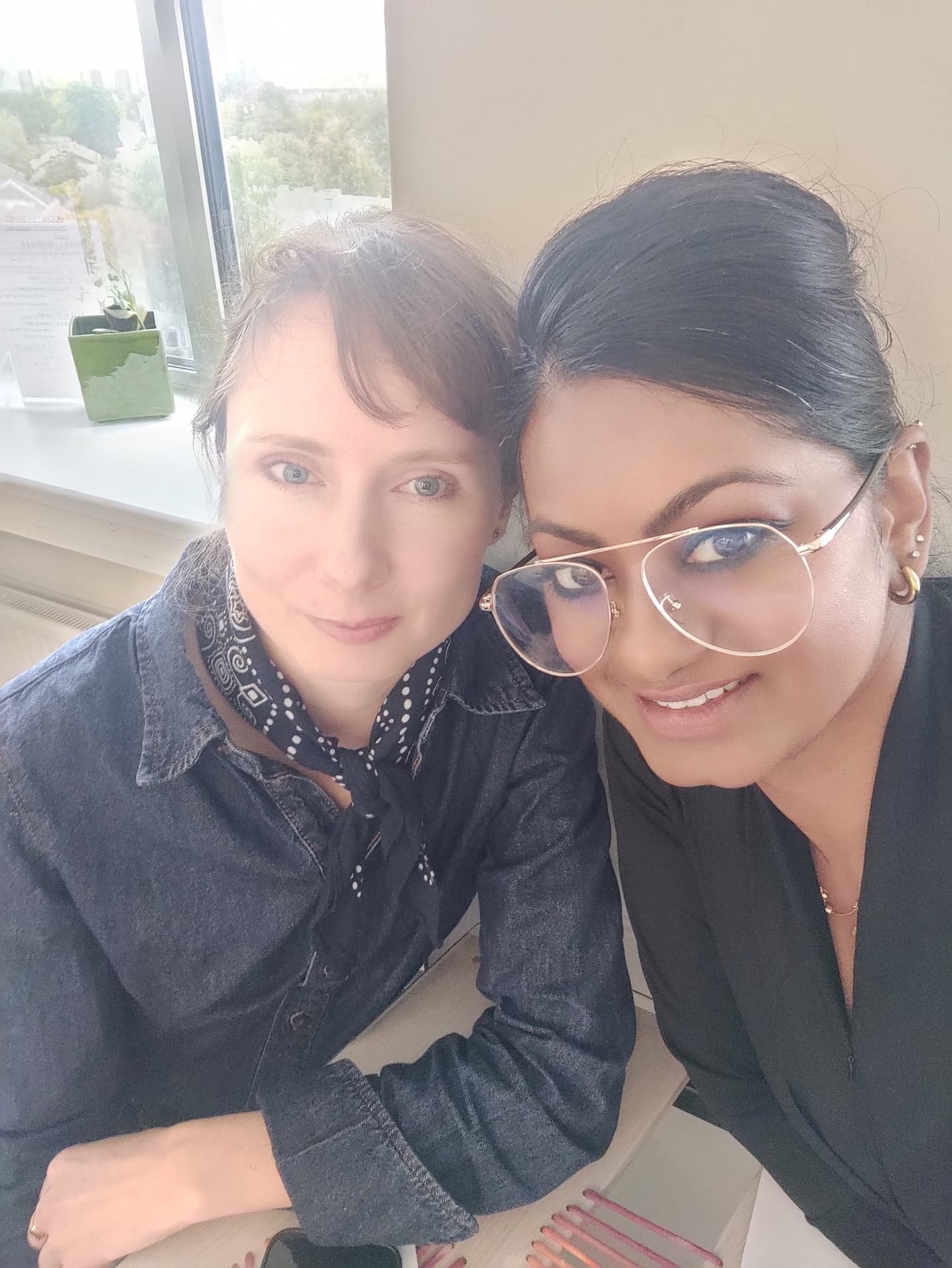
NeuroAbi brings together experience in peer counselling, teaching, product design and methodology coordination, alongside the team members’ perspectives as mothers.
Ouddhena Teern — Idea Author, Peer Counsellor and Mother. Her personal experience and work with children and caregivers underpin the initiative.
Magdalena Atabek — Product Designer and Mother. With a longstanding interest in child development and psychology, she is exploring ways to work with and support children in schools.
Nazila Aliyeva — Experienced School Teacher, PhD Student and Mother. Her current research focuses on teaching English in inclusive classrooms.
Agnessa Jakobson — Methodology Centre Coordinator and Mother. She brings experience in methodology coordination and a strong conviction that this support is needed now.
Together, they are working towards resources that reflect both the realities of teaching and the experiences of children who need different forms of support.
Looking for Partners to Take the Next Step
To move the project forward, NeuroAbi is seeking collaborators who can contribute research expertise, technical skills and funding.
The team would particularly welcome connections with researchers studying sound and nervous-system regulation, as well as sound engineers who could help develop nature sounds and rhythm-based resources informed by relevant evidence.
It is also interested in partnerships with a university or the Ministry of Education and Research to support further development.
Funding would enable the team to build the pilot software platform, support the people working on the project and bring in specialist expertise, including software development, sound engineering and communications.
Inclusion Begins When People Feel Understood
NeuroAbi’s long-term ambition reaches beyond one toolkit. The team hopes to contribute to an educational culture in which differences are better understood and support is easier to access.
For children, that means opportunities to learn and participate without being made to feel wrong for experiencing the world differently. For teachers, it means having practical resources and support when they need them.
An inclusive classroom is not created simply by placing different children in the same room. It becomes inclusive when every child has a real opportunity to learn, participate and feel that they belong.
MORE INFORMATION
Original idea: Read about NeuroAbi on the Ideemeistrid website
Instagram: @neuroabi
Email: neuroabiii@gmail.com