
From Meeting to Partnership: How Unite for Trade Connected “Lehka Khoda” and Let’s Call
When Need Meets Expertise

Scaling a business, entering new markets, and building sustainable supply chains require business owners to have not only knowledge, but also an environment where they can find partners, exchange experience, and search for solutions together. It was precisely to create such an environment that the comprehensive Unite for Trade program was designed, implemented by Visionest […]
Scaling a business, entering new markets, and building sustainable supply chains require business owners to have not only knowledge, but also an environment where they can find partners, exchange experience, and search for solutions together. It was precisely to create such an environment that the comprehensive Unite for Trade program was designed, implemented by Visionest Institute with support from Estonia and ESTDEV for businesses in the Zhytomyr region.
The program combined training on export, business models, and ESG, business visits to participating companies, business clubs in various formats – including business games; a study visit to Estonia, online forums, and a mentoring and partnership stage. This structure enabled companies not merely to gain new knowledge, but to gradually get to know each other, see one another’s capabilities, and find touchpoints for future collaboration.
This is exactly how the story of the Zhytomyr hosiery factory “Lehka Khoda” and the company Let’s Call unfolded. Throughout their participation in the program, they met across various formats, and eventually, their introduction grew into a concrete partnership.
One of the final stages of the program – the mentoring and partnership component – lasted two months, from April 1 to May 31, 2026, and brought together 19 large export-oriented enterprises and 34 small and medium-sized companies. It combined value chain mapping, pitching sessions for small and medium enterprises, and individual matchmaking and mentoring. The goal was to help companies identify their collaboration needs, present their expertise, and find partners with whom they could transition from acquaintance to tangible business steps.
“Lehka Khoda” is one of Ukraine’s largest hosiery manufacturers, boasting over 90 years of history. The company produces socks and tights, works extensively with cotton, and in recent years has been actively developing products made from hemp, linen, nylon, and other functional raw materials. The factory employs over 150 people, and its production capacity reaches approximately 600,000 pairs per month. Ukraine is the company’s primary market, while it also serves clients in the Baltic states and works with German and Swiss partners under Private Label and OEM contracts.
Let’s Call helps businesses systematically develop customer service, sales, and management teams. The company provides outsourced contact center services, consulting, audits and training programs, and helps businesses build effective customer communication and management processes.
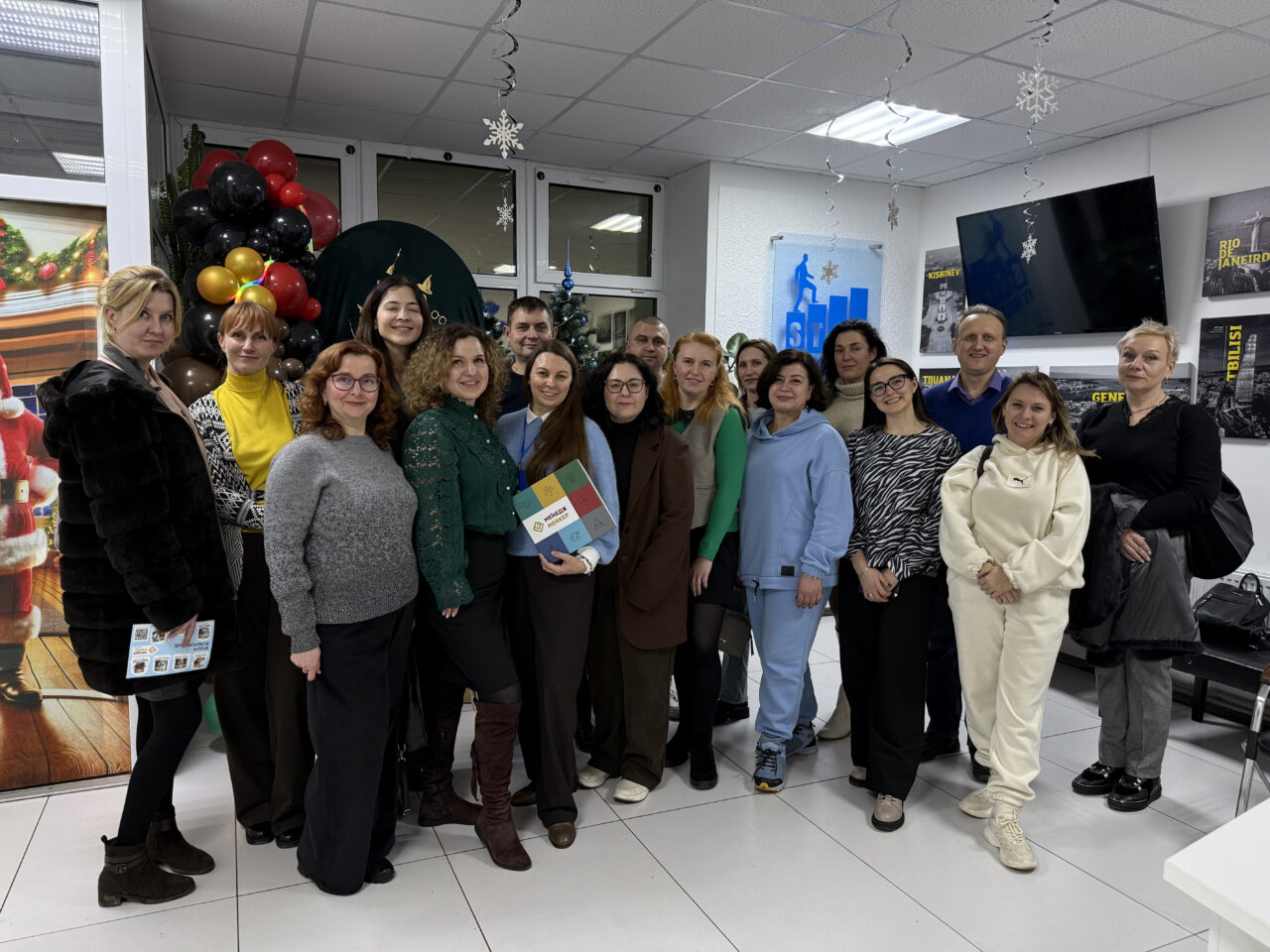
Their journey toward each other began long before their first concrete conversation about working together. The companies first met during a Unite for Trade business club in Berdychiv, where Olha Nedilko from Let’s Call was facilitating the “Managemaker” business game.
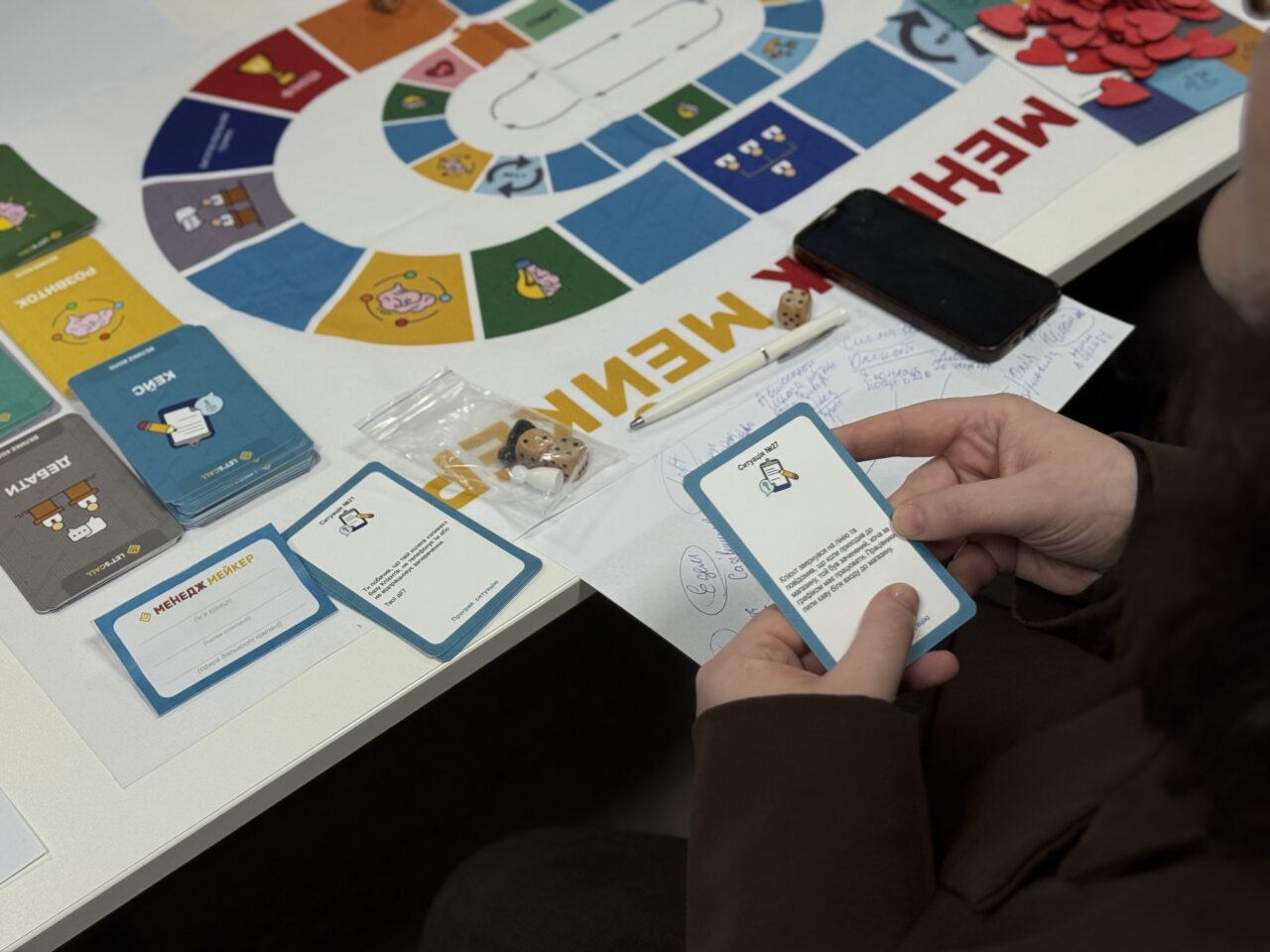
Vita Kunytska, Executive Director at TM Lehka Khoda, recalls: “I remembered Olha Nedilko’s phrase: ‘By the end of the game, you will hate me and want to fire me.’ But the exact opposite happened – all participants were enchanted and motivated by the vibe and the unexpected results.”
Later, they crossed paths again during the study visit to Estonia, and in Zhytomyr during another business club in a Hot Seat format, which focused specifically on the case of “Lehka Khoda,” with Olha Nedilko, co-founder of Let’s Call, acting as moderator.
For both sides, these encounters provided an opportunity to better understand each other and realize that behind different businesses lay shared values. The final piece that led to actual cooperation beyond the project was a B2B meeting during the mentoring stage.
When Need Meets Expertise
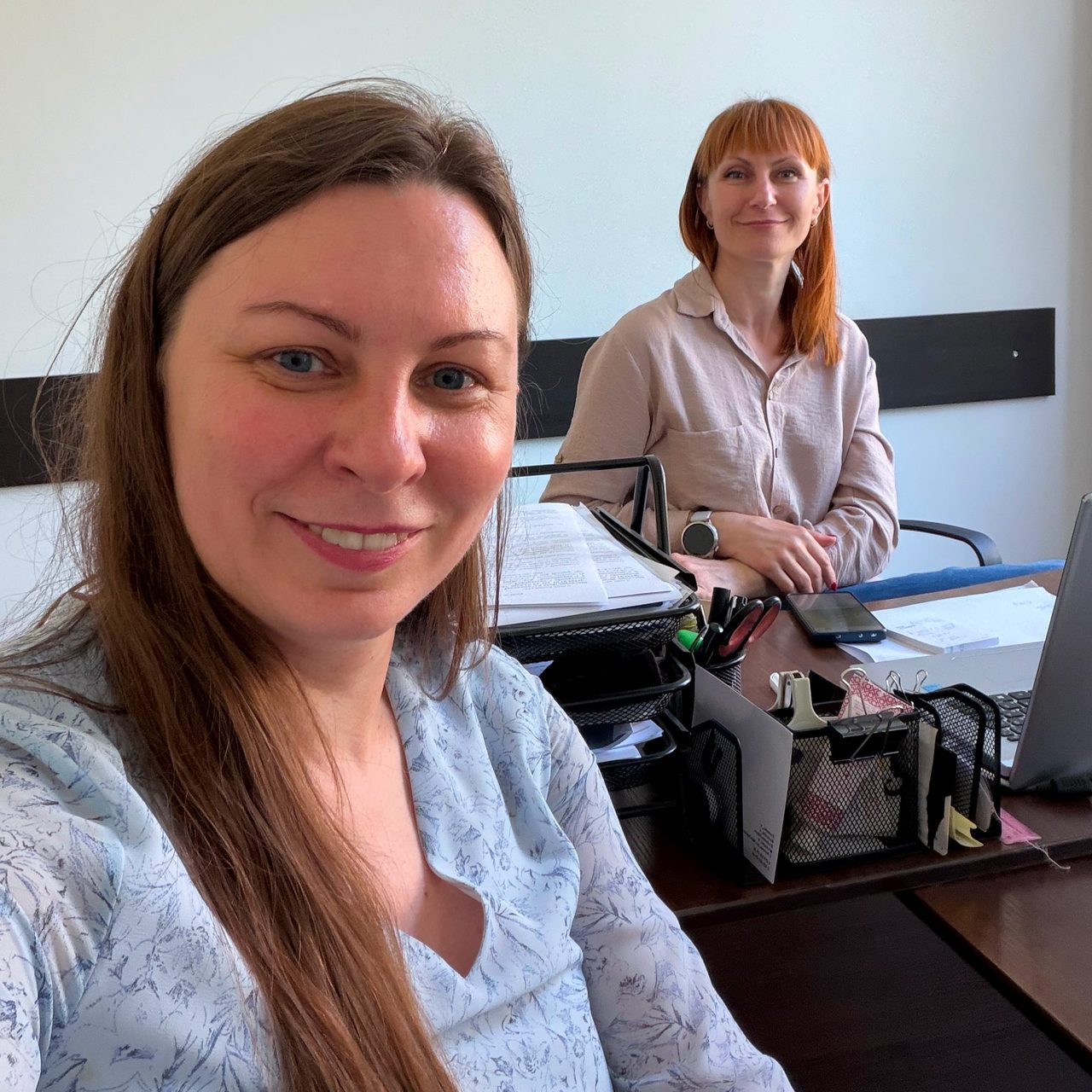
On photo: Olha Nedilko, Let`s Call and Vita Kunytska, Lehka Khoda
For “Lehka Khoda,” team development was not an abstract topic. Many employees have worked at the factory for 25–30 years, and the company wanted to help its team look at their roles from a new perspective, step outside conventional approaches, and interact better with one another.
Therefore, during the B2B communication, discussions turned toward holding a special session for the factory’s key middle managers. The goal was to create a situation where participants could reveal themselves under non-standard conditions, reflect on their behavioral styles, see their strengths, and understand which competencies needed development.
For Let’s Call, this request aligned directly with one of its core areas of expertise — management and team development. The company saw that ‘Lehka Khoda’ needed a practical tool allowing managers to reveal their behavioral patterns, test different approaches, and gain experience directly through action.They proposed addressing this challenge through their proprietary “Managemaker” business game – a practical tool designed to immerse managers in unfamiliar circumstances and bring out their true potential.
From Communication to the First Joint Project
As a result, “Lehka Khoda” invited Let’s Call to deliver the first “Managemaker” session for the factory’s key middle managers.
The outcome exceeded all expectations. The game not only united the team of middle managers and boosted their motivation, but also helped reveal additional strengths and potential within the team that had not been fully visible in the usual working environment.
One of the strongest indicators of the format’s effectiveness was that employees who had previously been skeptical about corporate learning formats were among the first to ask for a continuation after the session. For “Lehka Khoda,” this served as the clearest signal that the format had truly worked.
Let’s Call also noted the factory team’s openness to new ideas and readiness for change. For Let’s Call, this project became not only a new partnership, but also another confirmation that management development tools and practical team diagnostics can create value across very different industries.
Furthermore, this partnership did not end with a single session. Let’s Call and Lehka Khoda are currently planning a series of training sessions for the factory team. At the same time, the partnership is expanding beyond training: Let’s Call is now selecting a sock design from Lehka Khoda to create bright branded merchandise for its team and clients — a product that will also carry a connection to Zhytomyr, the home region of both companies.
Why This Format Delivered Results
The story of “Lehka Khoda” and Let’s Call highlights a crucial distinction between standard networking and structured B2B matchmaking.
At a typical networking event, companies might exchange business cards, deliver a brief introduction, and never return to the conversation again. In Unite for Trade, the path was different: participants first had the opportunity to connect through various formats, then observe each other’s expertise and needs, and only then transition to a personalized B2B dialogue.
This is precisely how the process is described at “Lehka Khoda”: joint training modules, business clubs, and visits created the necessary background knowledge, allowing the personal B2B meeting to feel like a far more open conversation – speaking “as peers and partners.” Let’s Call sees the same advantage from their perspective: Unite for Trade created a space where companies met not by chance, but driven by a concrete need and a clear opportunity to be useful to one another. That is why their acquaintance was able to translate into practical cooperation so swiftly.
This approach is further validated by the outcomes of the entire mentoring component. Participants rated the usefulness of B2B meetings at an average of 4.7 out of 5, and the majority of respondents continued communication after their meetings. The most frequently anticipated forms of future collaboration included the supply of goods or services, outsourcing, joint projects, and technology partnerships. By the end of May 2026, at least three active partnerships had already been established within the program, including the team-building collaboration between “Lehka Khoda” and Let’s Call.
Conclusion: A Recipe for Successful Partnerships in Ukrainian Business
The experience of “Lehka Khoda” and Let’s Call demonstrates that the strongest business alliances are born at the intersection of different backgrounds united by a shared vision and values. For other enterprises seeking growth amid changing environments, this story offers several valuable insights.
First, one should not expect immediate contracts from a first encounter. Trust in business is built gradually – through joint participation in comprehensive programs, exchanging views, and testing expertise in action. Second, companies should not hesitate to voice their internal challenges, whether it is the need to refresh a long-standing management team or optimize client service. Openness makes it possible to attract partners who offer tailor-made, flexible, and effective solutions rather than off-the-shelf formulas.
Most importantly, large manufacturers and small service providers should step beyond their usual industry bubbles more often. It is precisely within such cross-sector synergy — where traditional manufacturing meets modern approaches to management and team development — that significant potential for the growth of Ukrainian business can emerge.

The Unite for Trade program is developed and implemented by Visionest Institute in Ukraine (Estonia) in cooperation with the Entrepreneurship and Export Promotion Office under the national Diia.Business project, and the Honorary Consulate of the Republic of Estonia in Zhytomyr. The program is financed by ESTDEV — the Estonian Centre for International Development.